Why one KTM rider didn’t use ‘leg wings’ in the Thai MotoGP
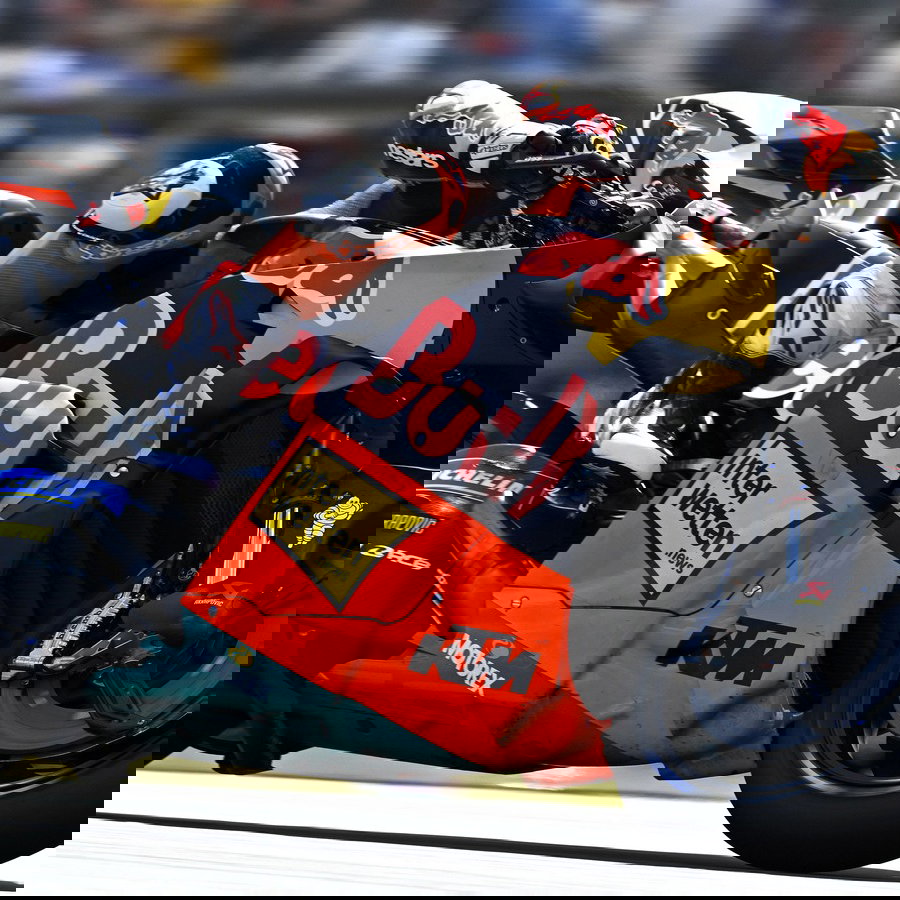
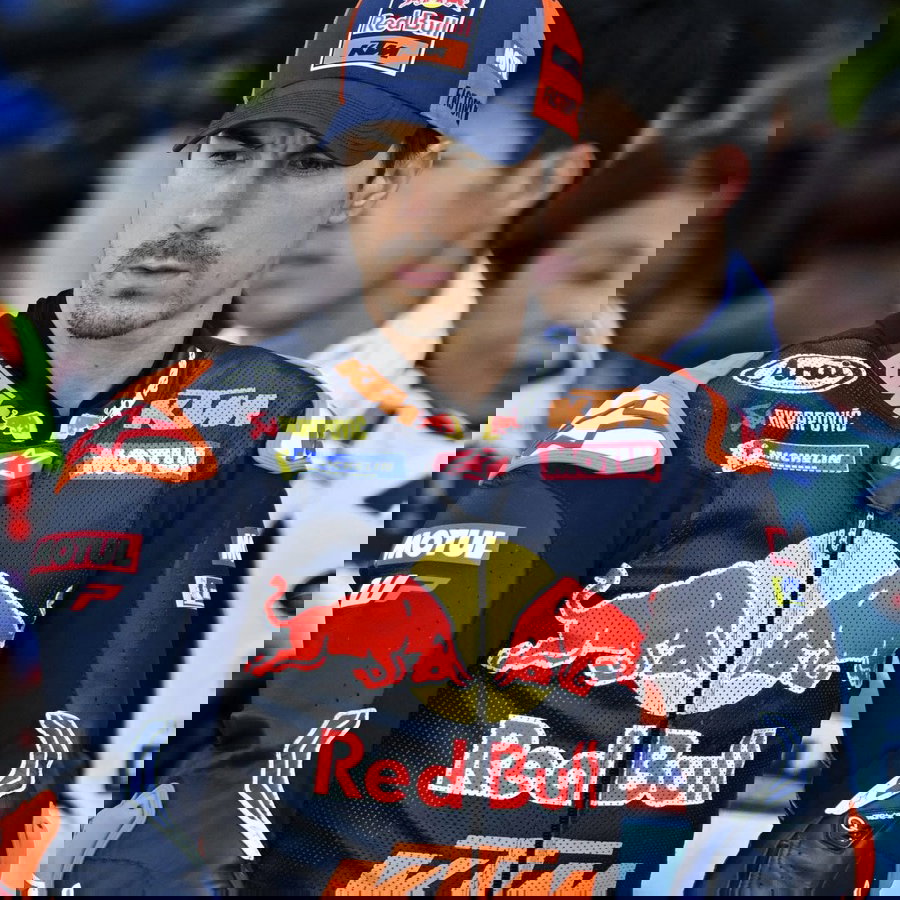
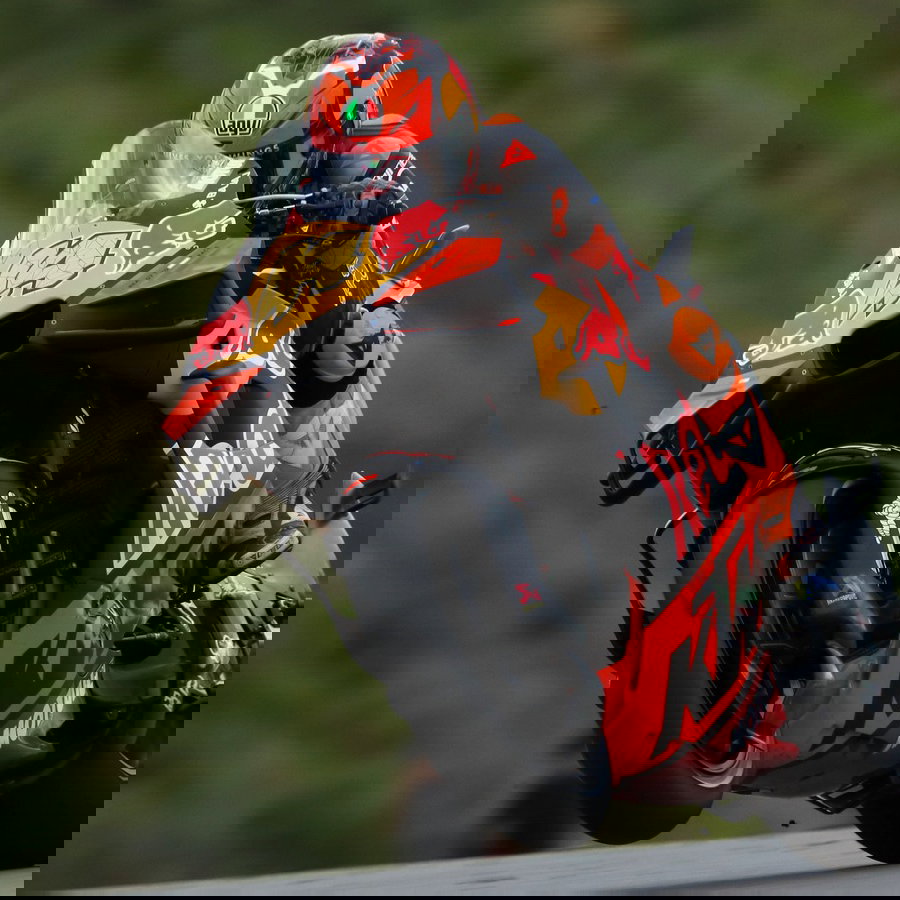
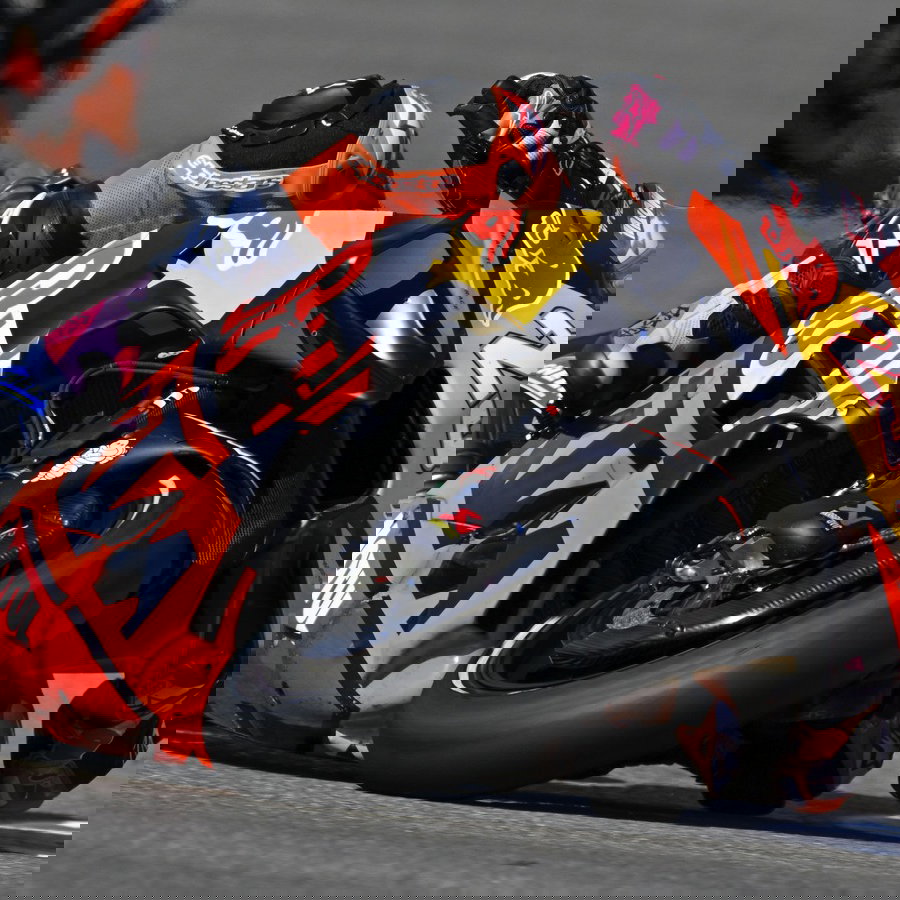
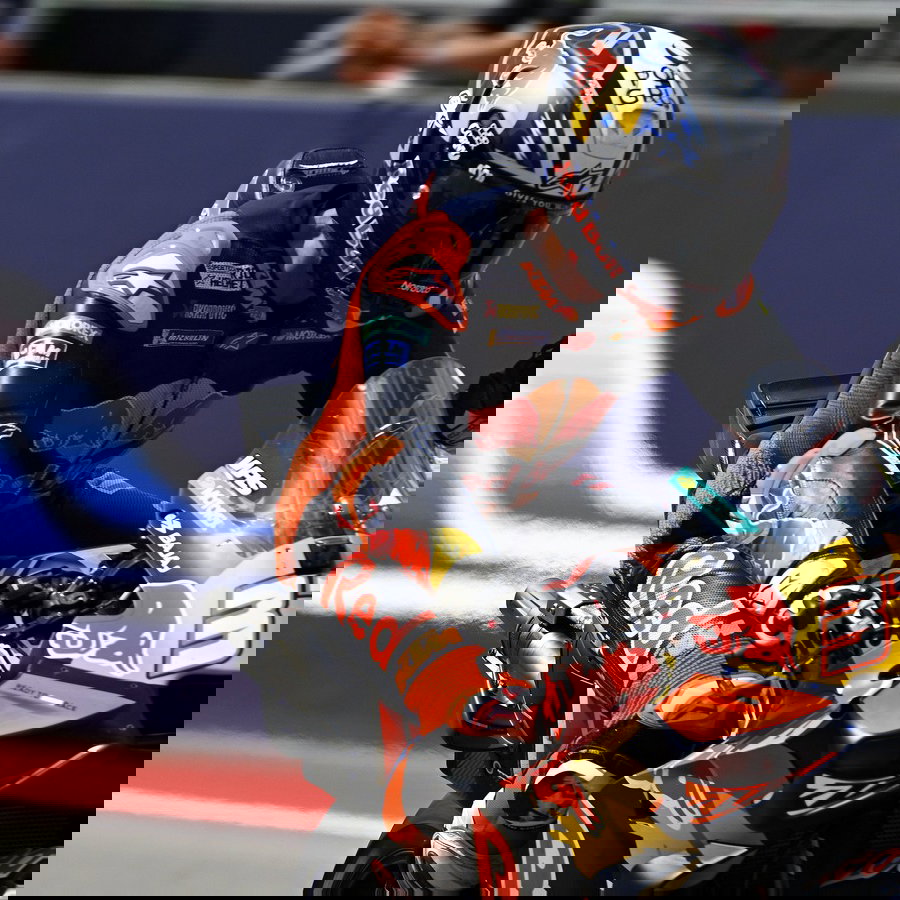
Enea Bastianini explains why he chose not to use KTM’s leg wing aero during the Thai MotoGP weekend.

Enea Bastianini has explained why he chose not to use KTM’s ‘leg wing’ aerodynamic devices during the Thai MotoGP weekend.
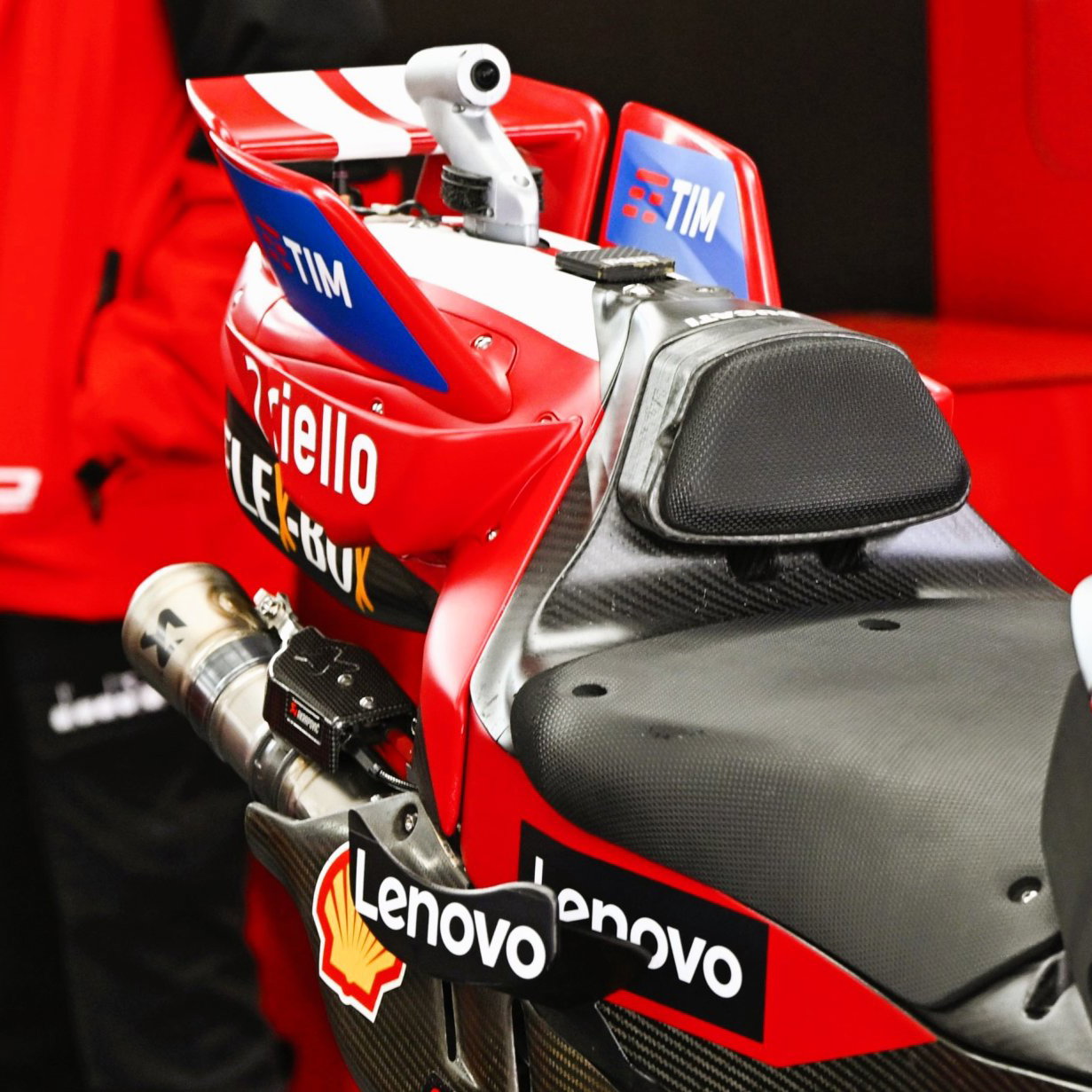
The seat-mounted winglets made headlines over the winter when it emerged that they could be banned on safety grounds ahead of the 2026 season.
That didn’t happen, and the seat-mounted aero, first seen on the Aprilia RS-GP and since adopted by Honda and KTM, remains legal for at last another season.
However, the extra downforce is not always welcome.
Tech3’s Enea Bastianini explained why the devices were not fitted to his RC16 at Buriram.
“I think for me it's not an advantage,” said Bastianini.
“It’s like the transfer of the bike is lower and I prefer to have more feedback from the rear under braking.
“With them, it was too much for me, but I think it depends on the layout of the track, from race to race.
"Here, for me, it was not a good solution.”

However, leg wings were present on the sister RC16s of title leader Pedro Acosta and factory KTM team-mate Brad Binder.
Unlike the fairing and other Aero Body parts, which are covered by strict homologation rules, aero features mounted to the seat and rear of the bike can be changed at will.
After a recurrence of last year's qualifying woes, Bastianini fought from 20th on the grid to twelfth place in Thailand.
In this article


Peter has been in the paddock for 20 years and has seen Valentino Rossi come and go. He is at the forefront of the Suzuki exit story and Marc Marquez’s injury issues.