Ollie Bearman gives first reaction to scary Suzuka F1 crash as FIA responds
Ollie Bearman reflects on his terrifying crash at the Japanese Grand Prix.

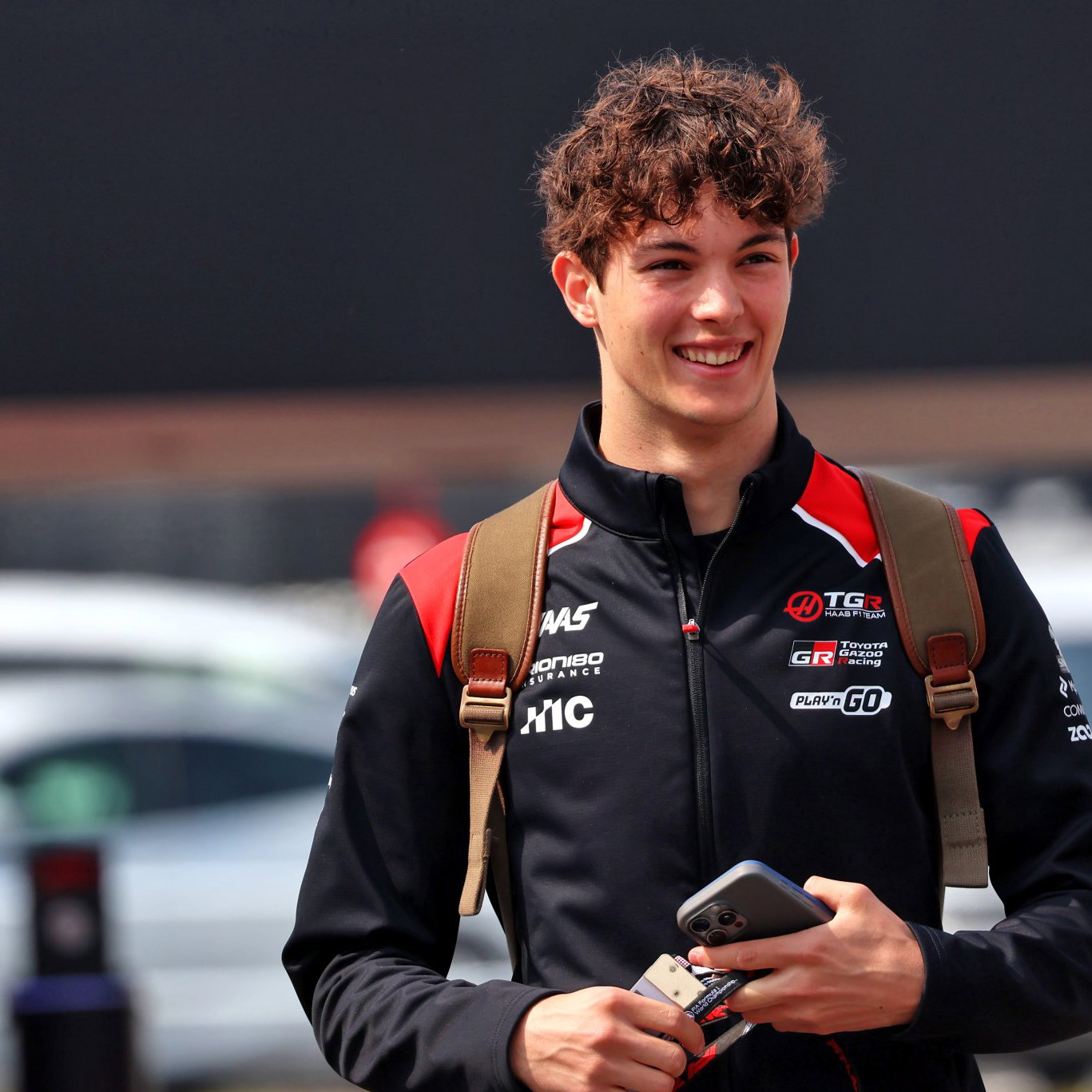
Haas Formula 1 driver Ollie Bearman has given his first reaction to crashing out of the Japanese Grand Prix.
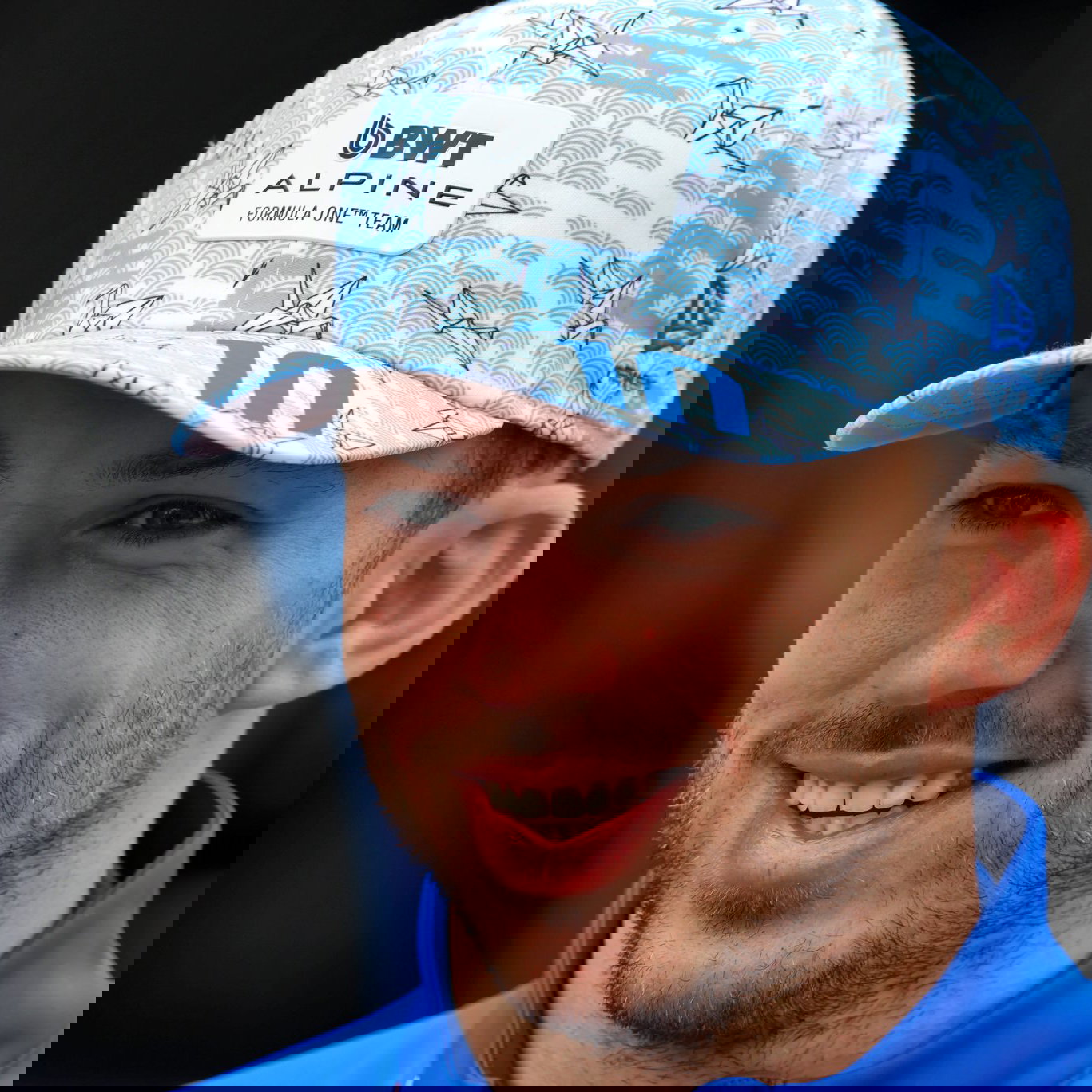
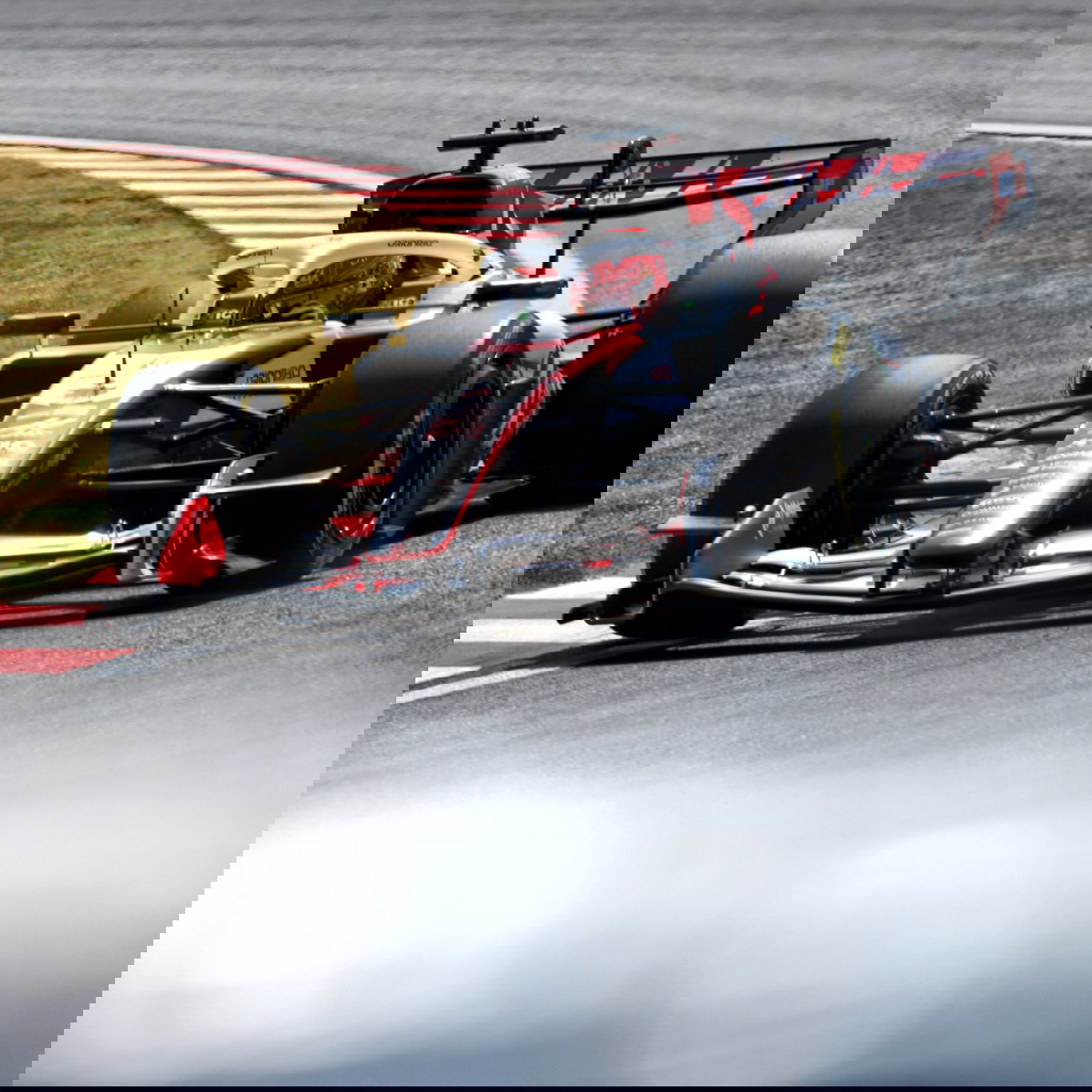
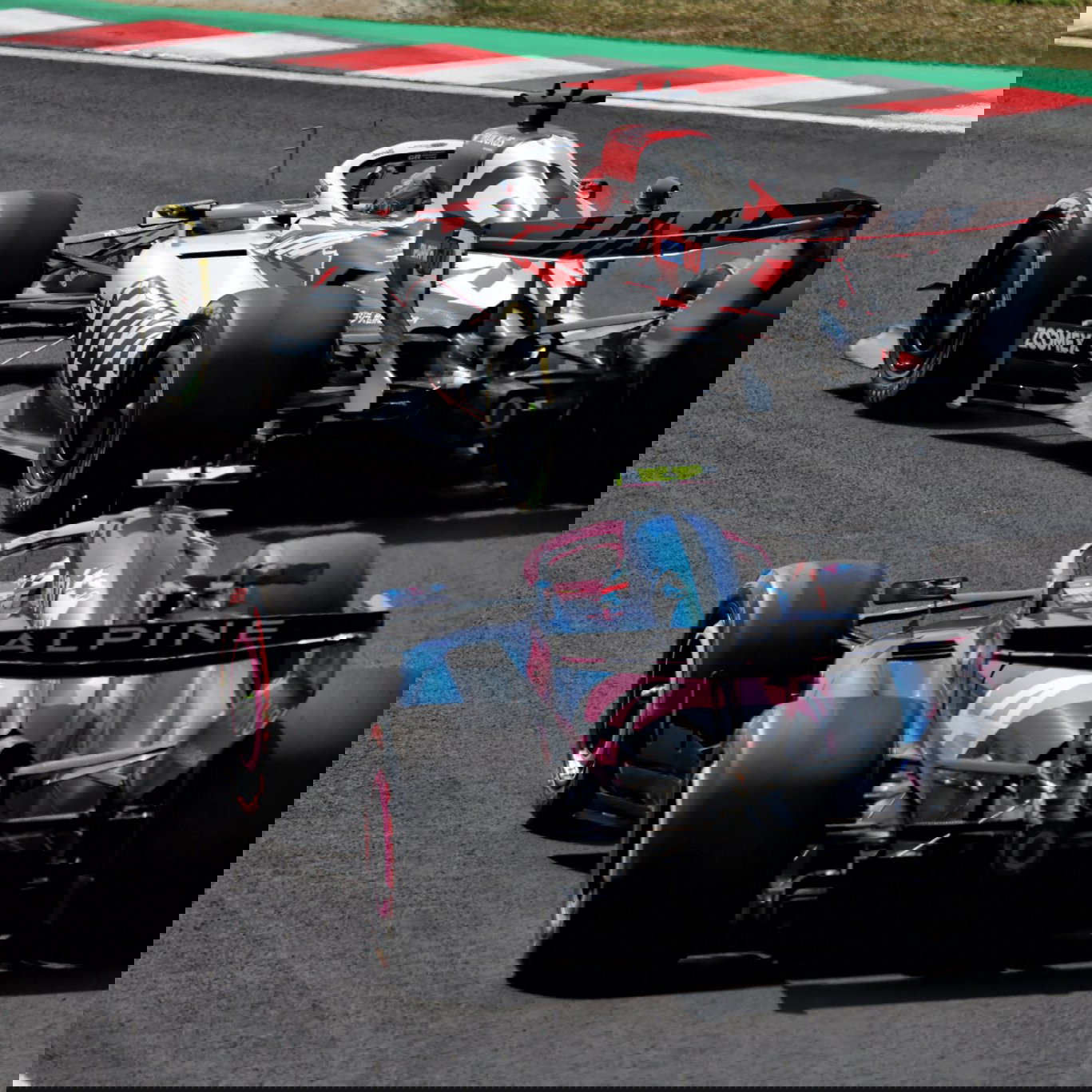
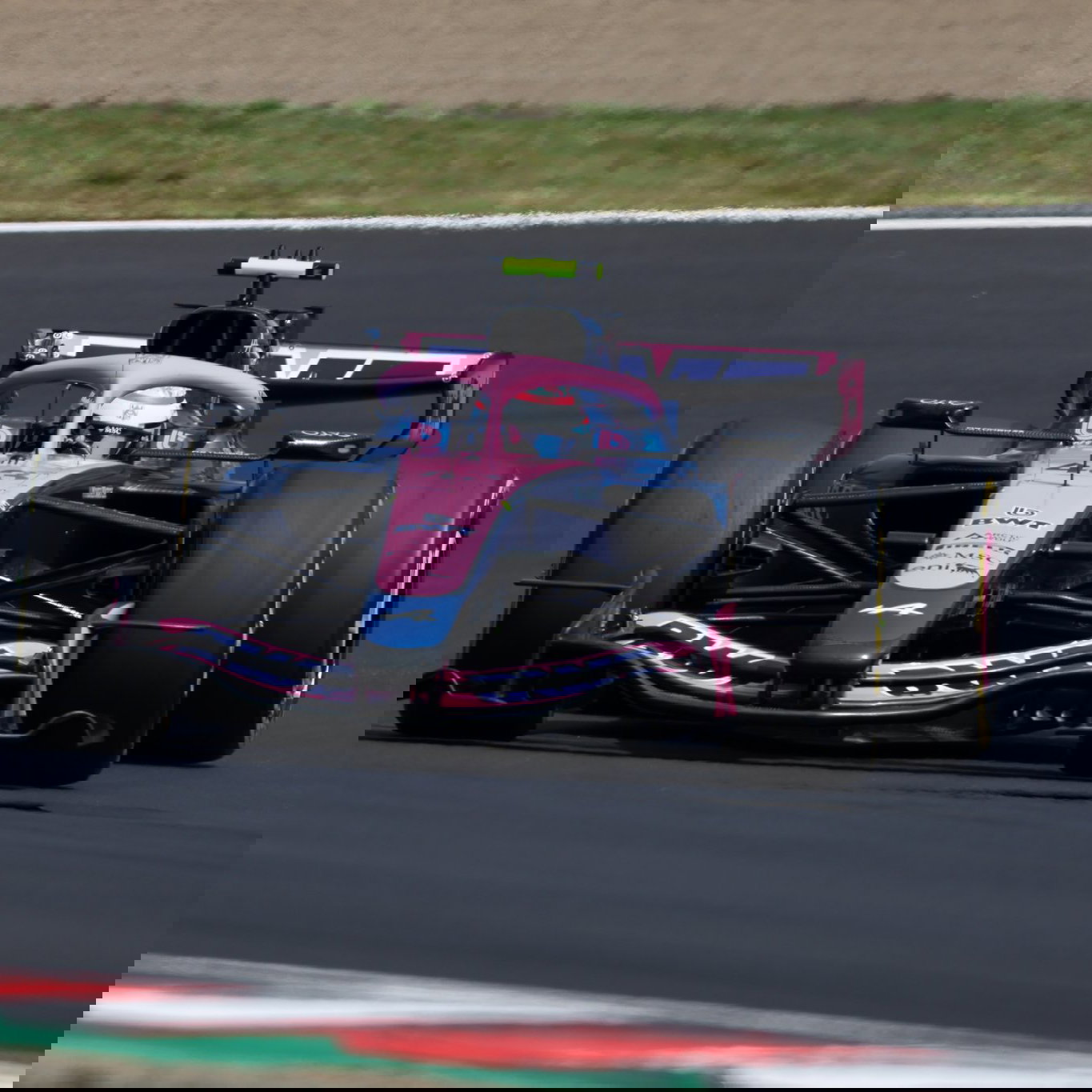
Bearman crashed heavily at Spoon Curve on lap 22 when he swerved onto the grass and lost control of his car in an attempt to avoid hitting Franco Colapinto as the pair contested 17th place.
The Briton had significant overspeed on Colapinto’s Alpine and smashed into the barriers in an impact that registered 50G.
Bearman was seen limping away from the wreck and suffered bruising to his right knee, but didn’t sustain any fractures.
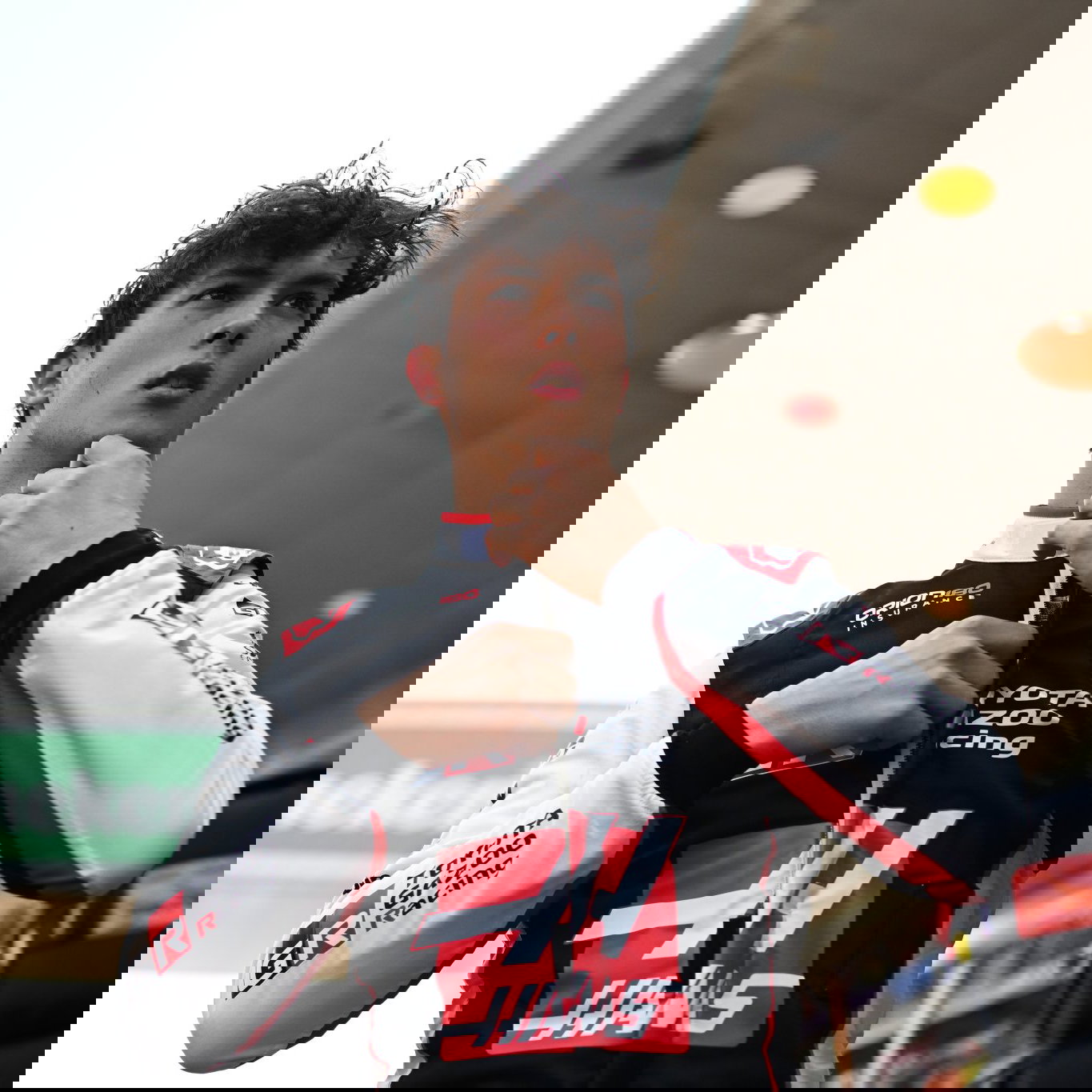
“Everything good first of all, I’m absolutely fine,” Bearman said as he recalled the terrifying accident.
“It was a scary moment, what happened out there but everything is okay, which is the main thing. The car is a little worse for wear but we have a month now to reset and come back.
“I can only apologise from the bottom of my heart to the team for that, because it’s a lot of work.”
F1 drivers have expressed concerns about closing speeds as result of the new power unit regulations introduced for 2026.
“It was a massive overspeed, 50kph, which is a part of these new regulations that I guess we have to get used to,” Bearman explained.
“But also I felt like I was given much space given the huge excess speed that I was carrying. It’s something we were talking about on Friday with the other drivers and the race stewards, that we need to be a bit more lenient, a bit more prepared, because of these huge deltas in speed.
“I think as a group, we’ve warned the FIA what can happen and this has been a really unfortunate result of a massive delta speed that we’ve never seen in F1 before until these regulations.”
Haas avoids blaming Colapinto
Haas team principal Ayao Komatsu put no blame on Colapinto, who said he was a “sitting duck” in the incident that led to Bearman crashing.
“Colapinto was always doing something consistent, it was not his fault at all,” Komatsu told media including Crash.net at Suzuka.
“It is just we are deploying more through there. So even with normal laps, we had 20kph advantage. That’s why he wanted to go for that.
“He hit the boot button but that meant the speed was 50kph [more]. The closing speed was massive and he just misjudged it.
“It’s one of those things I think we talked about with these regulations, that closing speeds could become an issue and unfortunately this was one of those incidents.
“Of course he’s kicking himself, saying he should have done better and no excuse. But, you look at it, a 50kph difference in closing speed is massive, so it’s a lesson.
“I’m sure we will talk about it in terms of the future and how we can improve. I’m just glad he didn’t have a big injury. His knee hurt but he’s okay.”
Komatsu put the crash down to a “small misjudgement” by Bearman and stressed it “could have been a lot worse”.
Closing speeds on agenda at April meetings
In response to Bearman’s huge shunt, F1’s governing body the FIA moved to clarify its stance on the possibility of making rule changes amid driver safety concerns.
The FIA confirmed a number of meetings will take place across April to discuss the matter further with teams, power unit manufacturers, drivers and FOM.
“Since their introduction, the 2026 regulations have been the subject of ongoing discussions between the FIA, Teams, Power Unit Manufacturers, Drivers and FOM,” an FIA statement read.
“By design, these regulations include a number of adjustable parameters, particularly in relation to energy management, which allow for optimisation based on real-world data.
“It has been the consistent position of all stakeholders that a structured review would take place after the opening phase of the season, to allow for sufficient data to be gathered and analysed. A number of meetings are therefore scheduled in April to assess the operation of the new regulations and to determine whether any refinements are required.
“Any potential adjustments, particularly those related to energy management, require careful simulation and detailed analysis. The FIA will continue to work in close and constructive collaboration with all stakeholders to ensure the best possible outcome for the sport and safety will always remain a core element of the FIA’s mission.
“At this stage, any speculation regarding the nature of potential changes would be premature. Further updates will be communicated in due course.”
In this article


Lewis regularly attends Grands Prix for Crash.net around the world. Often reporting on the action from the ground, Lewis tells the stories of the people who matter in the sport.