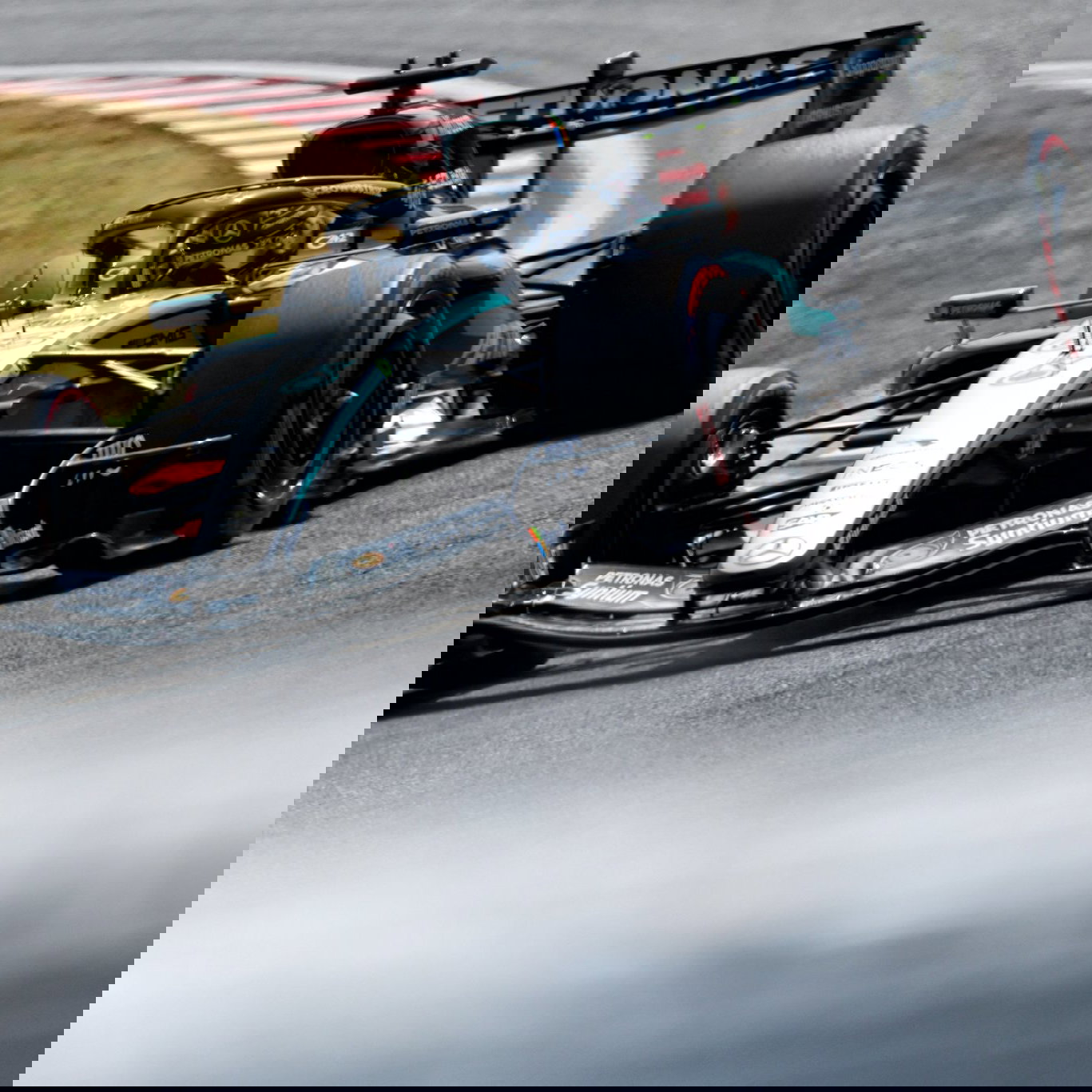
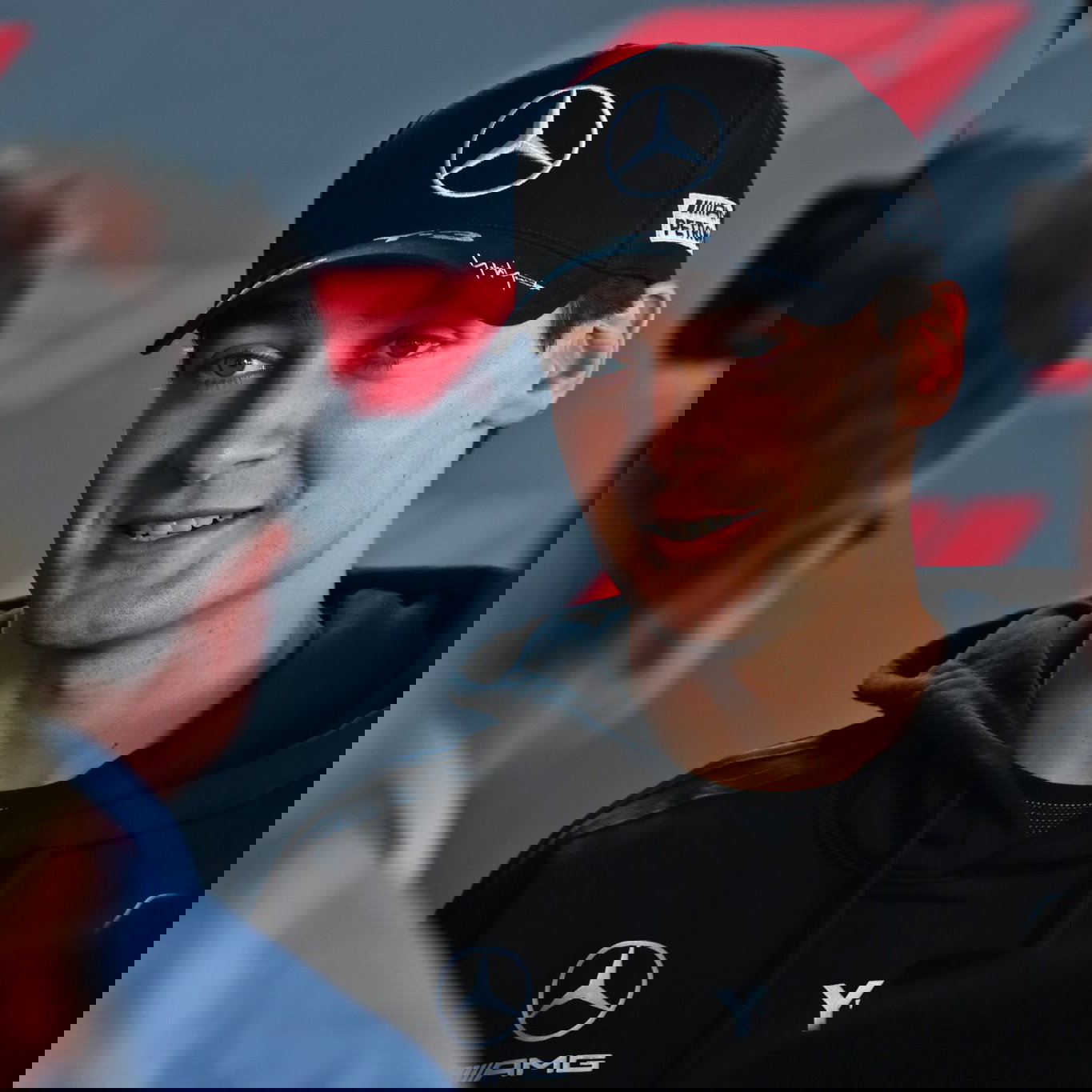
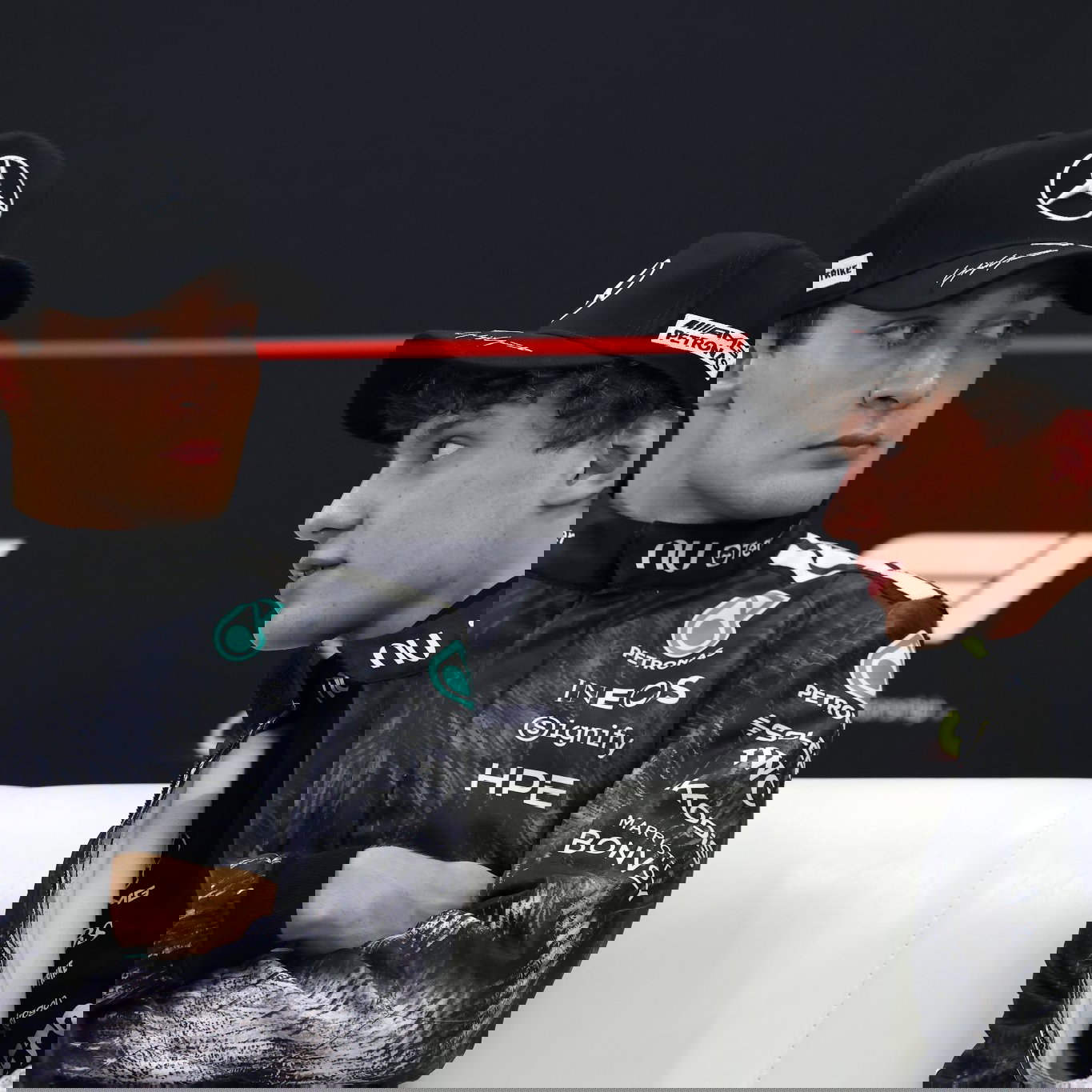
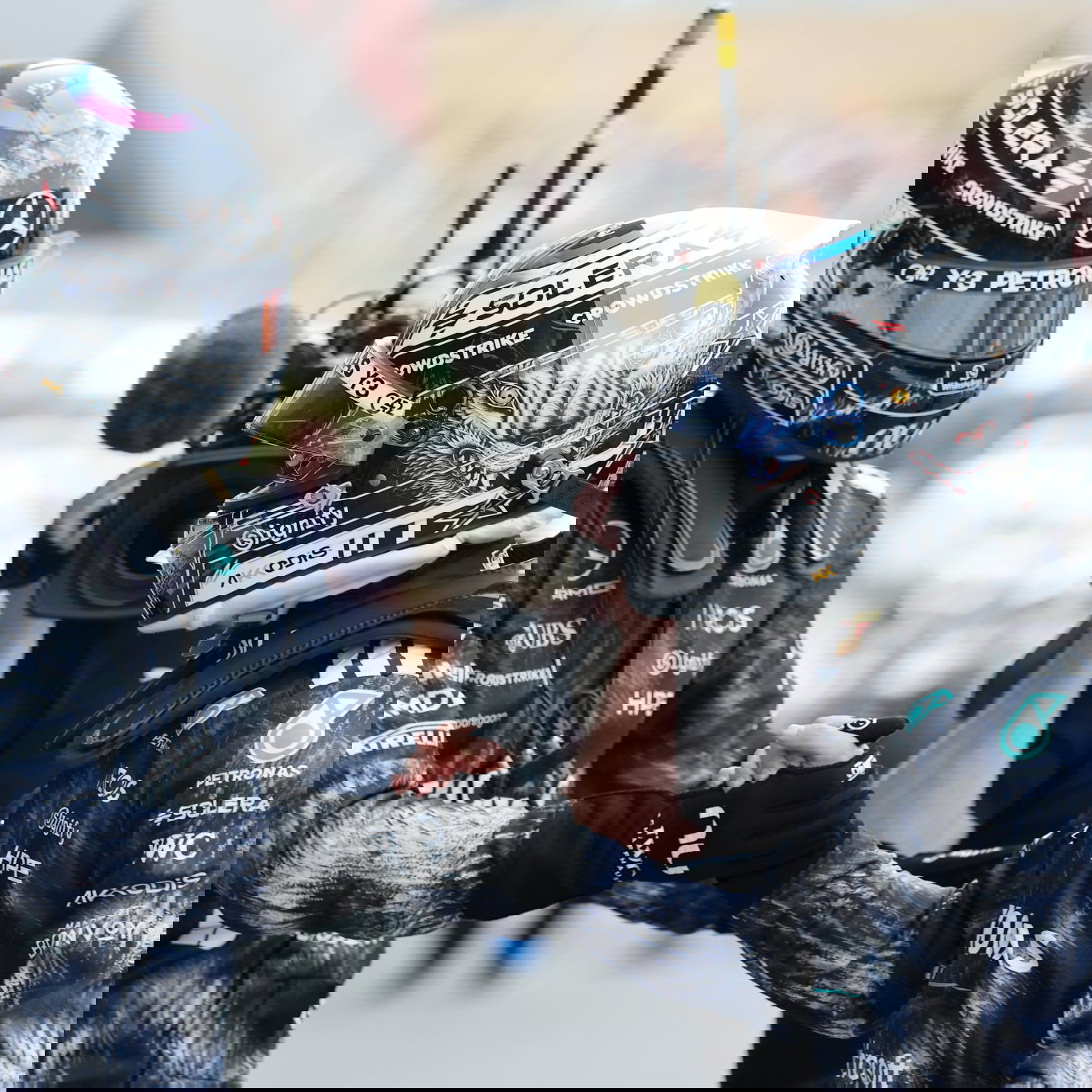
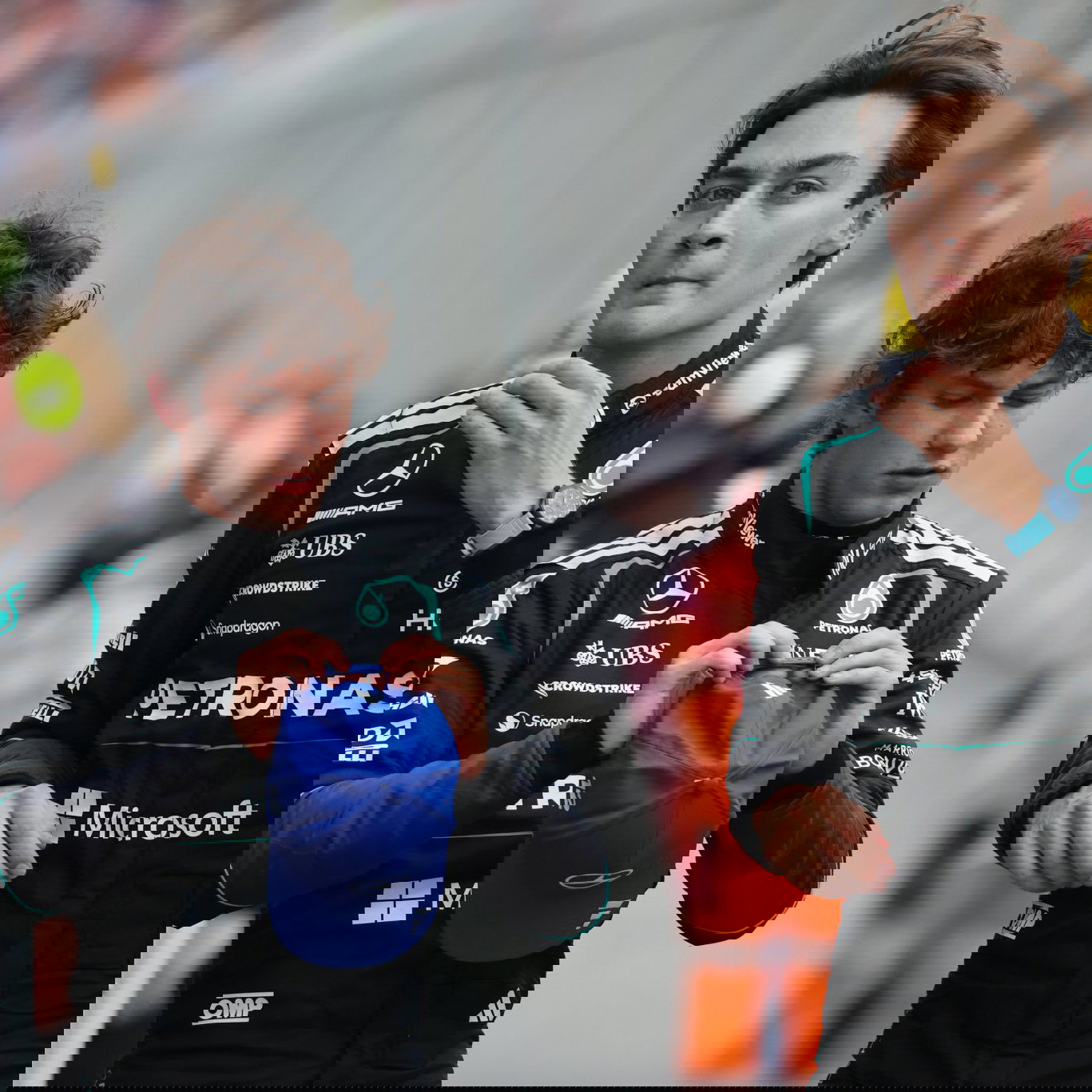
George Russell explains "quirky" rule that caused start chaos in Australia
George Russell has explained why so many drivers struggled with starts in Australia, and that proposals were put forward but blocked by some teams

George Russell offered an intriguing explanation why some drivers made poor starts at the Formula 1 Australian Grand Prix, revealing "some teams" voted against proposed rule tweaks by the FIA.
Several drivers reported after Sunday’s race that they had arrived at the grid with no battery. After their initial launches, which do not feature an electrical contribution, they became bogged down.
Starts have become a particular talking point in the wake of the near-miss between Franco Colapinto and Liam Lawson after the latter had a problem getting off the line last weekend.
George Russell said the issue is the FIA’s limit on energy harvesting on the formation lap, which some drivers struggled with in Melbourne.
“I think there was an error that caught a lot of teams out, which was the harvest limit on the formation lap,” he said in answer to a question from Crash.net about safety at starts.
“So, it’s a very quirky rule. Every lap, there’s a harvest limit. The drivers who started on the first half of the grid who were beyond the timing line, they were already within that lap, so when you did your formation lap start, you are spending your battery, and you’re charging your battery, which goes towards your harvest limit.
“The drivers at the back, they launch away and then cross the start/finish line. And then it resets because they are effectively on the next lap. So, from what we did in the practice starts, we did the launch before this line, and it reset.
“And on the race start from pole, I went on the throttle, I charged the battery, but it took like 50% of my harvest limit of that lap. So when I got halfway around that lap I could no longer charge the battery, I had no power to do proper burnouts.”
FIA proposed fixes, but not everyone agreed
Red Bull's Max Verstappen said on the starts earlier on Thursday at the Chinese Grand Prix: "There are a few simple solutions, but they need to be allowed by the FIA with the battery-related stuff because, yes, starting with a 0% battery is not a lot of fun and also quite dangerous.
"So we are in discussions with them to see what can be done because you could see, I mean, we almost had a massive shunt in Melbourne in the start. Now some of that is related to batteries. Some, of course, can happen with an anti-stall.
"But you could see a lot of big speed differences because I was not the only car that had almost, let’s say, no battery, or 20, 30 percent. This is something that I think can be easily fixed."
Russell confirmed that the subject was a point of discussion between the FIA and teams even before the race, but there wasn't unanimous support, with Ferrari seemingly the sticking point.
“The FIA were looking to potentially adjust that. But as you can imagine, some teams who were making good starts didn’t want it, which I think is just a little bit silly. I’m not overly concerned, but it’s a challenge.”
Asked if the FIA can make that change he said: “They could do. I think they want to, but they need a super majority from the teams which they don’t have. You can probably guess which teams are against that. Their gain isn’t coming from this issue.”

One team boss wary of "knee-jerk" response
While no one would name who the teams were who opposed the tweaks to the starting rules, Haas' Ayao Komatsu said F1 must be wary of "rushing into knee-jerk reactions"
“We had a meeting with all the TPs [team principals] and FIA just earlier on, including the formation lap topic,” he said. “And then, of course, opinions are divided. But what it doesn't change is everybody is learning quickly.
“So let's not just rush into certain knee-jerk reactions, because that's the worst thing that can happen for me, you change something, then the engineers needs to learn the new things, drivers needs to learn the new things and oh wow, then now this is unintended consequences, now it's introduced a new problem, we need to change it again.
“Let's not do that, you know, observe let the teams learn, because we are learning fast, not just us, everyone, drivers. Give drivers some stability, then they have a chance to get used to these new regulations as well.
“Then after several races, look at global picture, not just formation laps. What do we need to improve? You know what is actually safety critical, what is affecting the show? Then take a decision from there.”
Now the issue is known, however, Russell believes teams and drivers will be able to avoid a repeat of what happened in Australia going forward.
"Now the teams know the problem, we’ll just drive around it, but it’s just creating complications on something that doesn’t have to be there. So, as I said, half the grid messed up in Melbourne. We’ll adjust, we know what we have to be wary of now.
“The FIA just wanted to make our life easier and remove this harvest limit. But, as often, people have selfish views and do what’s best for themselves. But that’s part of F1, and part of the challenge of F1, we’ll deal with it and I think the starts here will be much better.”
In this article


Adam Cooper attended his first F1 race at Brands Hatch as a 10-year-old fan in 1976. He became a freelance journalist for Autosport magazine in 1985 while still at university, initially covering everything from club racing to the FIA World Sportscar Championship.