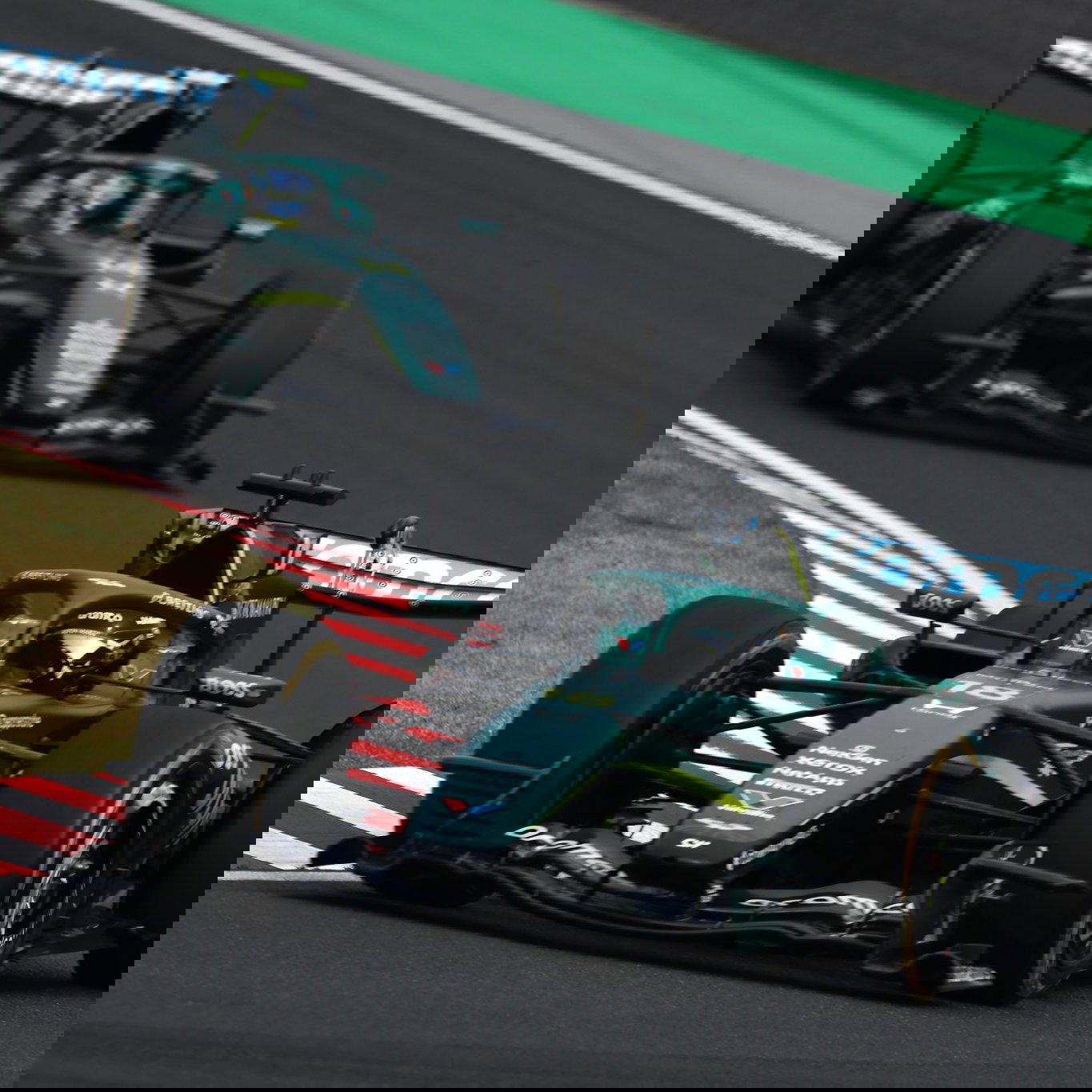
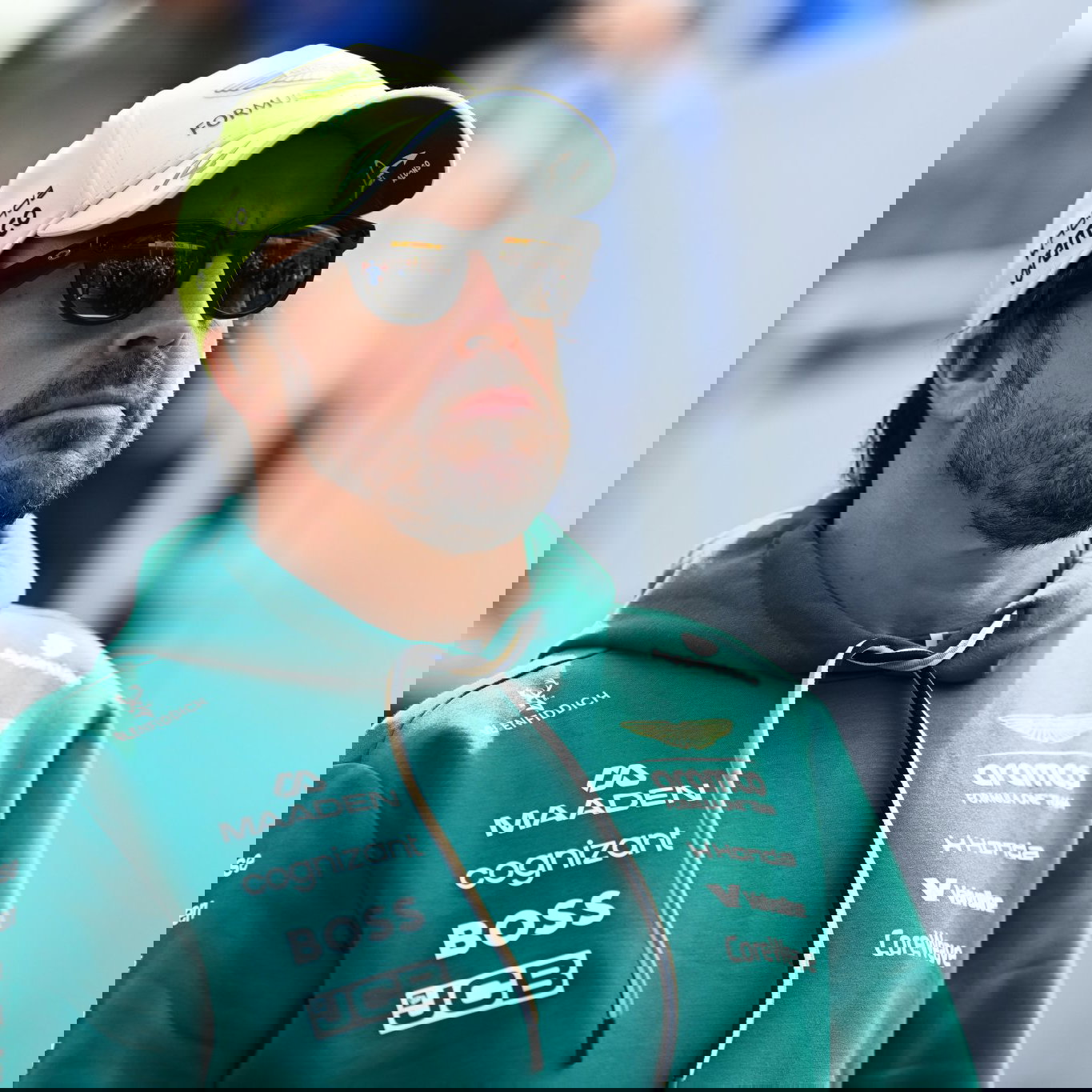
Honda vibration issues causing "nerve damage" fears for Aston Martin F1 drivers
Adrian Newey admits Aston's new F1 car faces limited Australian GP running due to driver health concerns

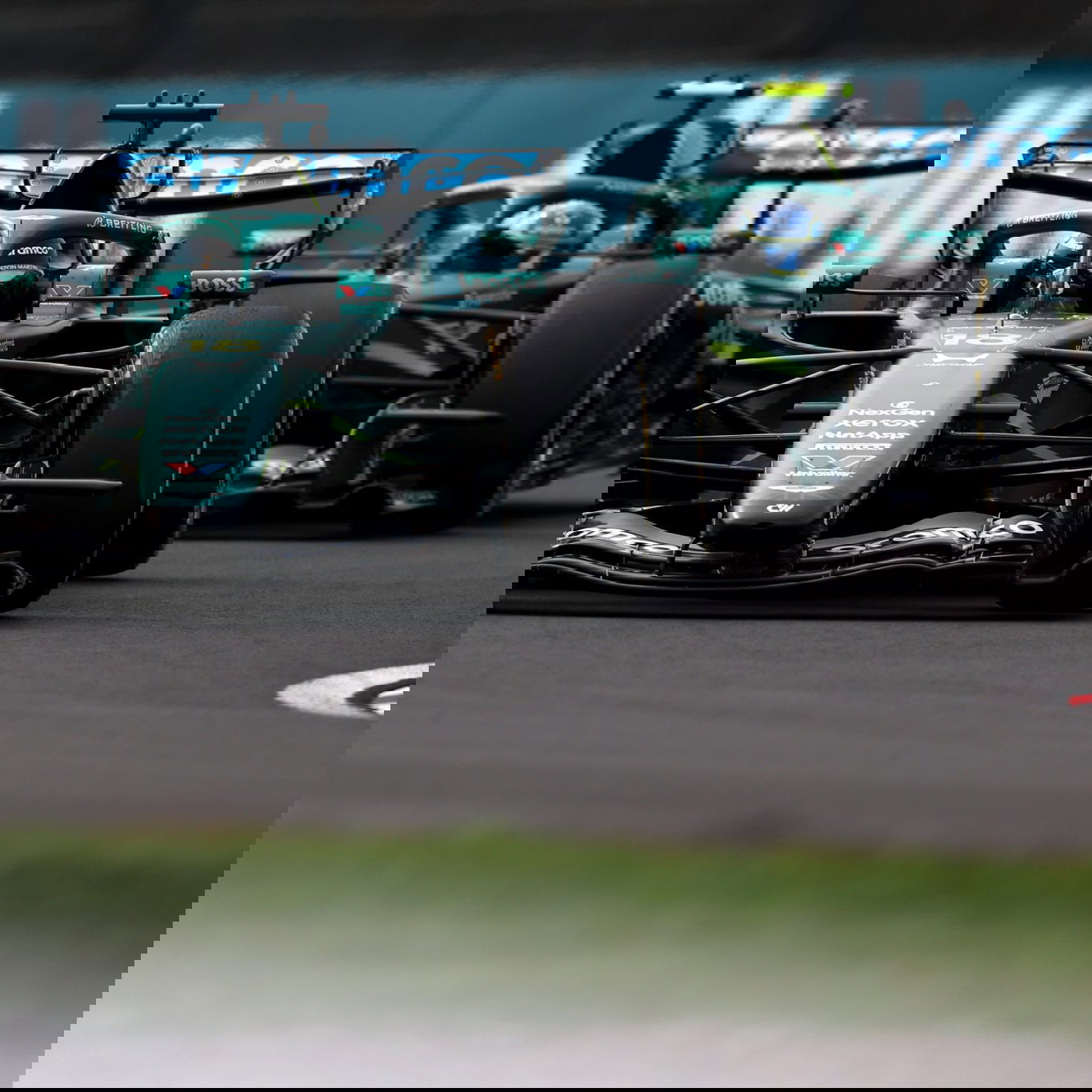
Aston Martin's Adrian Newey says the vibration issues with the Honda Formula 1 power unit have been so severe it has led to “permanent nerve damage” fears for the drivers.
While the reliability problems around the power unit have been well known since the AMR26 first ran in the Barcelona test, it is now clear that the drivers have suffered because the vibrations are being transmitted through the chassis.
Newey said the issue was so serious in testing that Fernando Alonso didn’t want to run more than 25 laps because of fears for his health, while Lance Stroll could only do 15.
That implies that the situation could lead to the drivers potentially retiring otherwise healthy cars in Sunday’s Australian Grand Prix, although Alonso himself downplayed that suggestion.
Some reliability tweaks made, but Aston still set for tough Australian GP
Aston Martin suffered throughout testing with battery casing failures induced by vibrations which are understood to come mainly from the MGU-K, and which restricted running.
As part of a raft of counter-measures understood to include a battery packaging fix were tested on the dyno and signed off earlier this week, and will be trialled in Friday practice at Albert Park.
However, Honda has not had time to address the fundamental PU vibration, and while battery reliability should be improved, life will still be difficult for the drivers.
“I think the important thing to understand is that the battery is the thing that we have been focusing on because that’s the critical item on life,” said Newey when asked by Crash.net if the vibration issue was fully understood.
“So without giving away any technical details, what we have achieved for this weekend, it tested on the dyno over the course of [last] weekend, and got to the solution that we propose, which we will be using here in Melbourne.
“That has successfully significantly reduced the vibration going into the battery.”
He added: “What is important to remember is effectively the PU, the combination of the ICE and possibly the MGU as well, is the source of the vibration. It’s the amplifier. The chassis is, in that scenario, the receiver.
“A carbon chassis is a naturally stiff structure with very little damping, so the transmission of that vibration into the chassis, we haven’t made any progress on.
“So that vibration into the chassis is causing a few reliability problems. Mirrors falling off, taillights falling off, all that sort of thing, which we are having to address.
“But the much more significant problem with that is that that vibration is transmitted, ultimately into the driver’s fingers.
“So Fernando is of the feeling that he can’t do more than 25 laps consecutively before he will risk permanent nerve damage into his hands.
“Lance is of the opinion that he can’t do more than 15 laps before that threshold.”
“We are going to have to be very heavily restricted on how many laps we do in the race until we get on top of the source of the vibration and improve the vibration at source.”

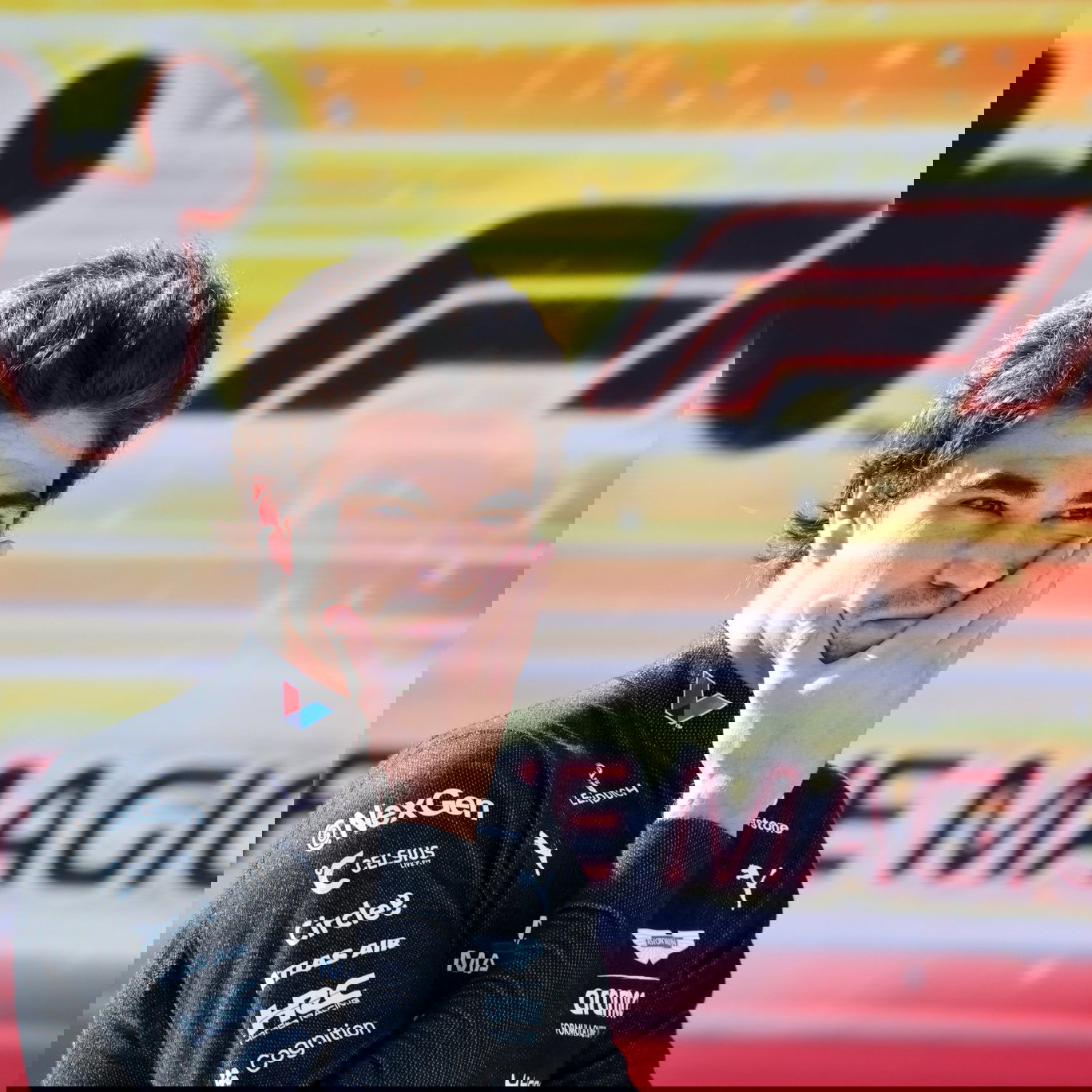
Alonso meanwhile said the main symptom in the cockpit was a feeling of numbness rather than any pain that might cause him to stop, suggesting that his concerns were more about longer-term damage.
“If we were fighting for the win, we can do three hours in the car, let’s be clear,” he said.
“I think that overcomes anything. When you are in the car, you don’t have a limitation that will stop you feeling what you’re doing.
“But definitely it is something that is unusual. It shouldn’t be there, and we don’t know the consequences either if you keep driving like that for four months.
“So a solution has to be implemented.”
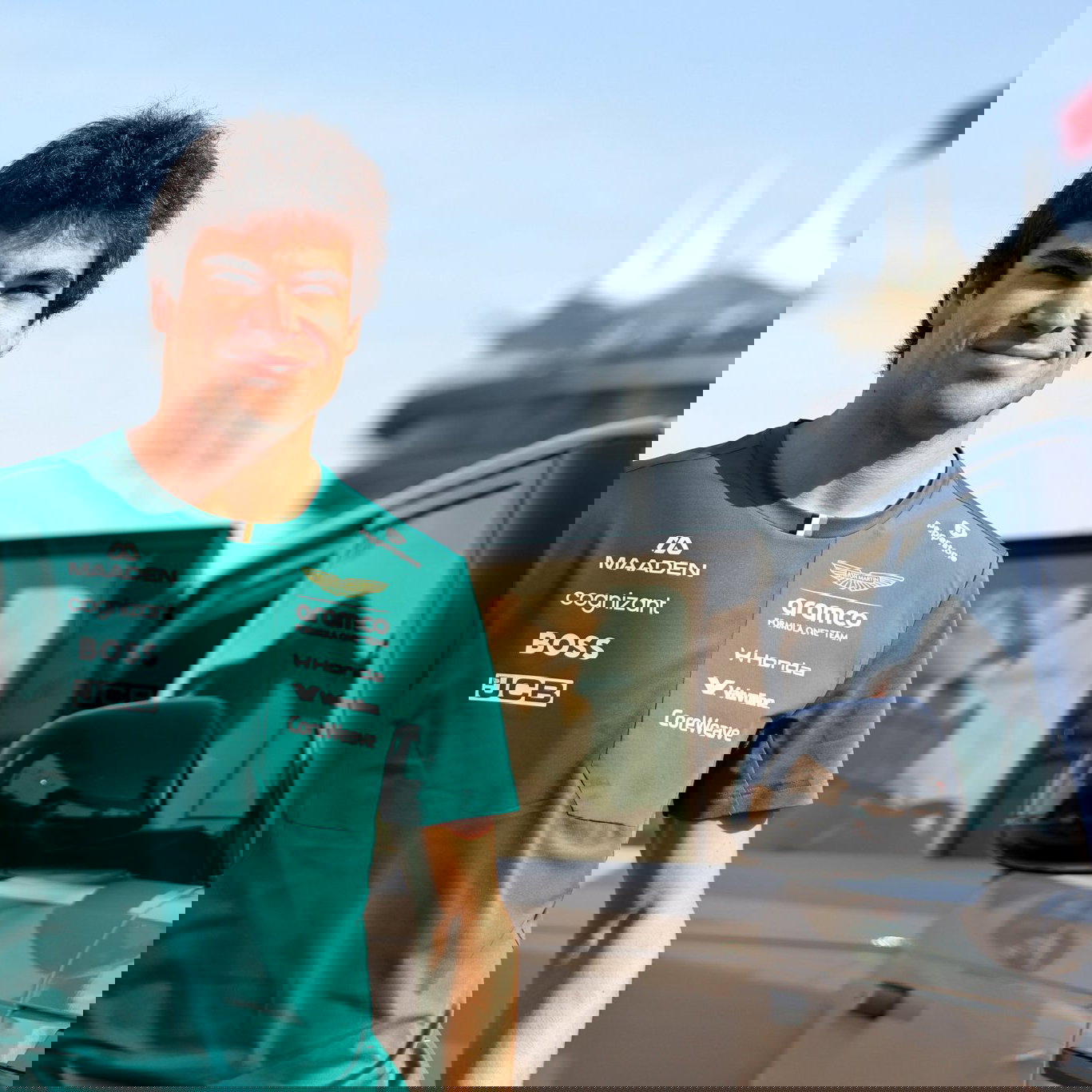
Stroll made it clear that he’s not been comfortable with the situation.
“In Bahrain, it was limiting us,” said the Canadian.
“Not just from the physical driver side, but also the whole car was just falling apart with that level of vibration.
“It’s not good for the engine, it’s not good for anything in the car – so human included.
“There was some work done the last couple weeks since Bahrain to try and fix it. And if that’s better, then we should be in a better position this weekend. If not, it’s going to be difficult to complete laps.”
In this article


Adam Cooper attended his first F1 race at Brands Hatch as a 10-year-old fan in 1976. He became a freelance journalist for Autosport magazine in 1985 while still at university, initially covering everything from club racing to the FIA World Sportscar Championship.