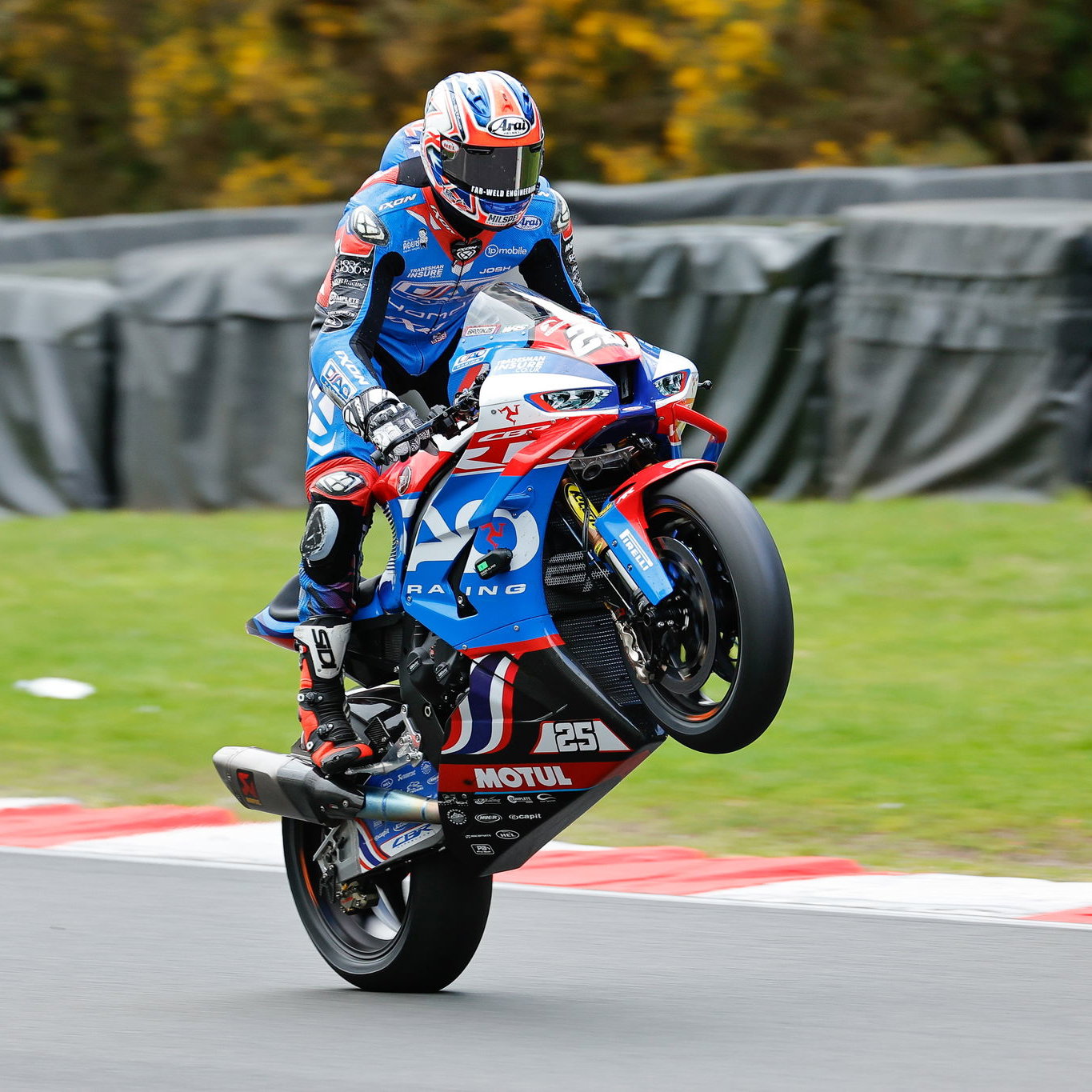
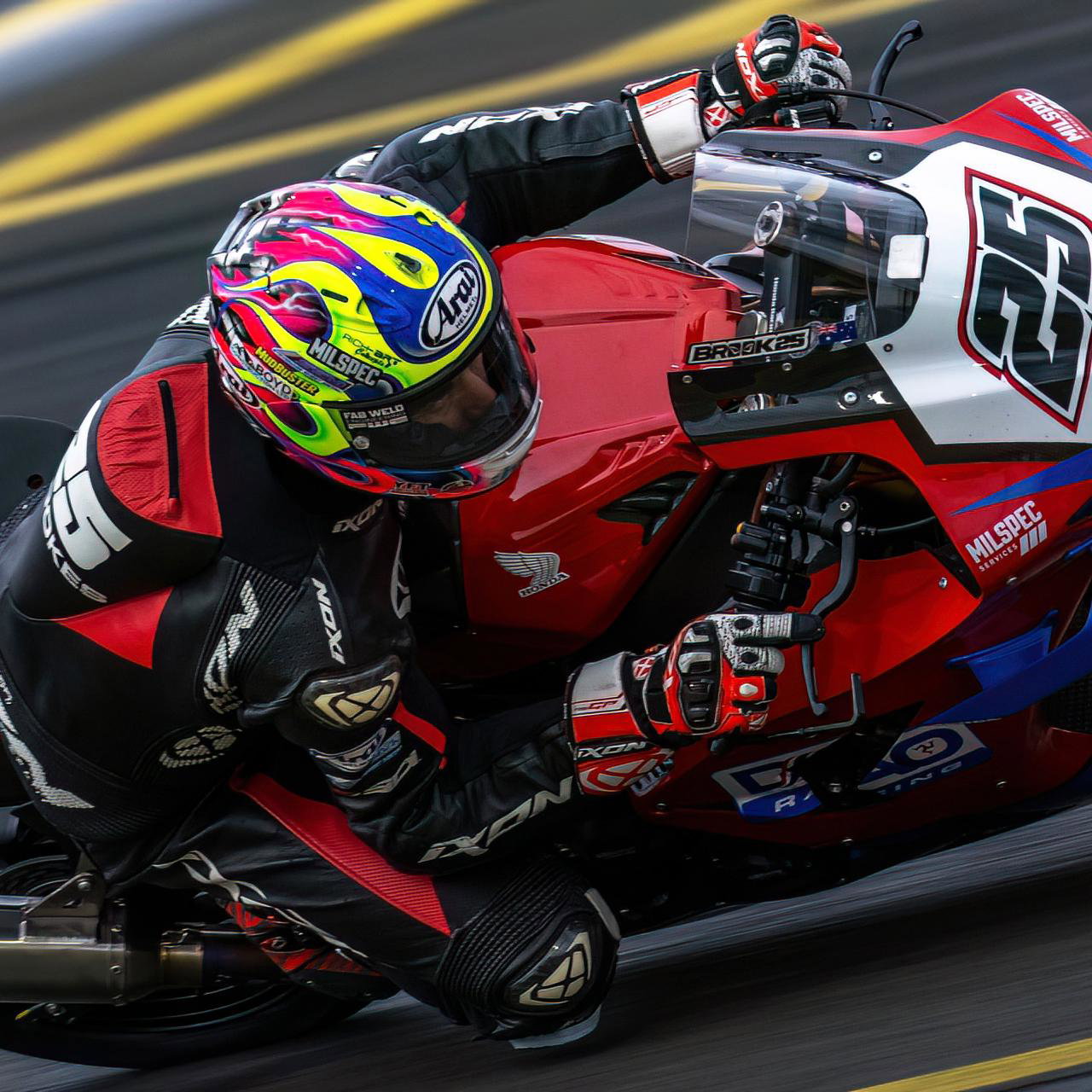
How a BSB rule leaves Josh Brookes chasing solutions to problems he found a year ago
Josh Brookes is entering this months two BSB tests still chasing fixes to a problem he found in early 2025.

Two-time BSB champion Josh Brookes enters a second season with DAO Racing and the Honda CBR1000RR-R in 2026 still chasing solutions to an issue he first found with the bike at the beginning of 2025.
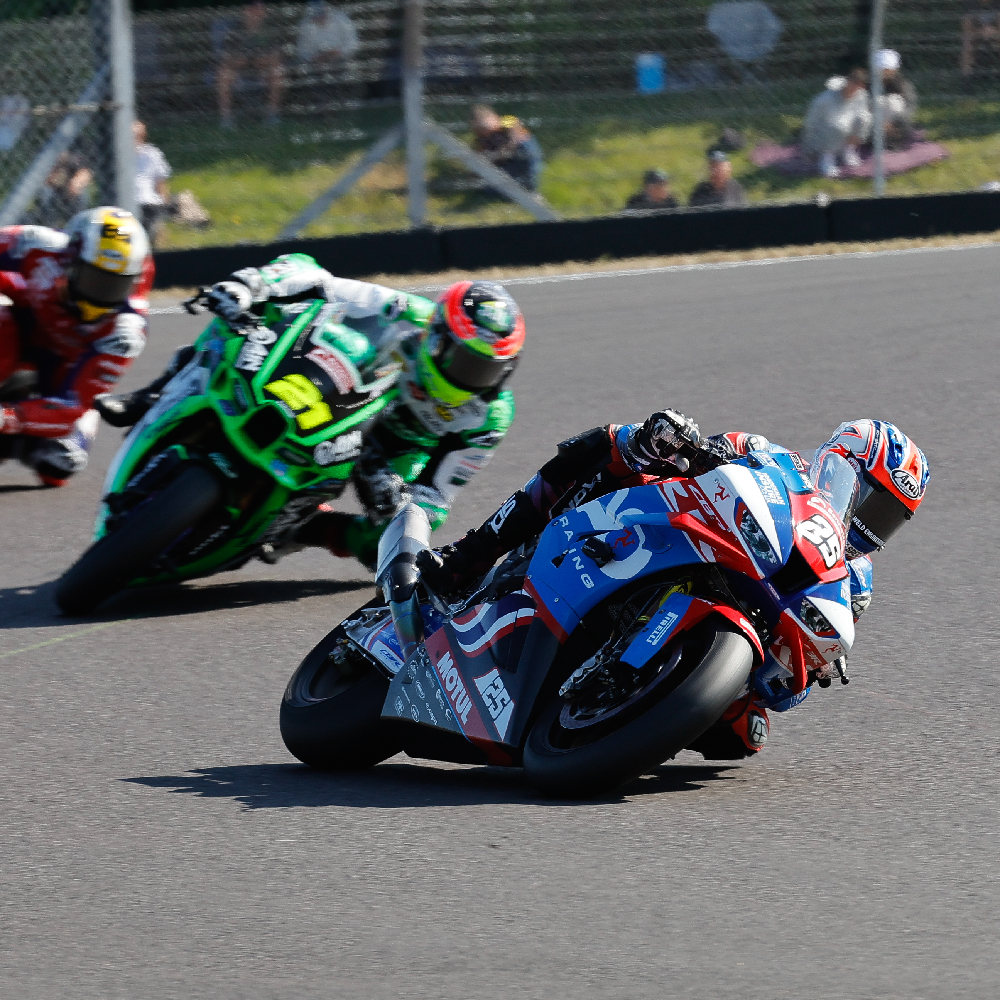
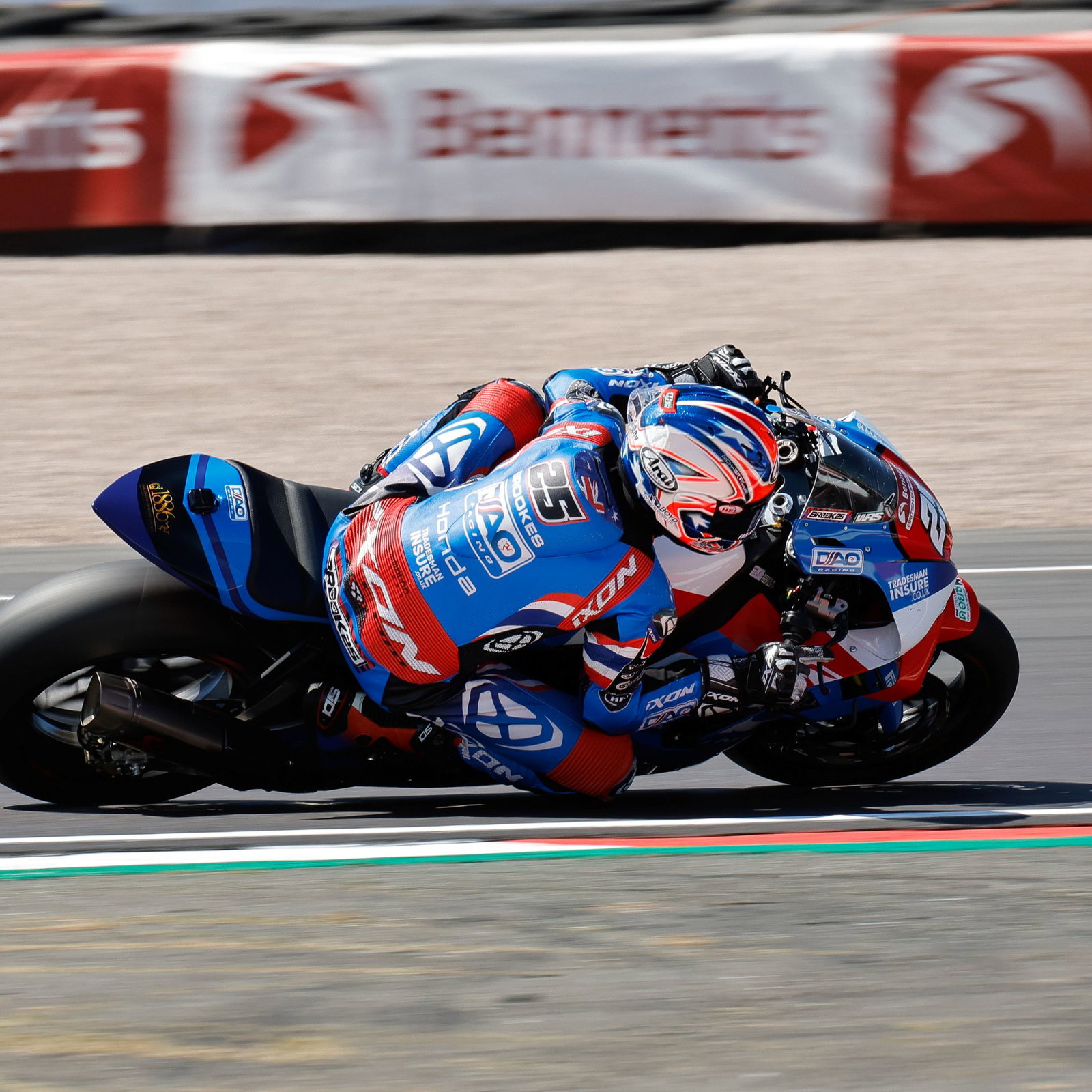
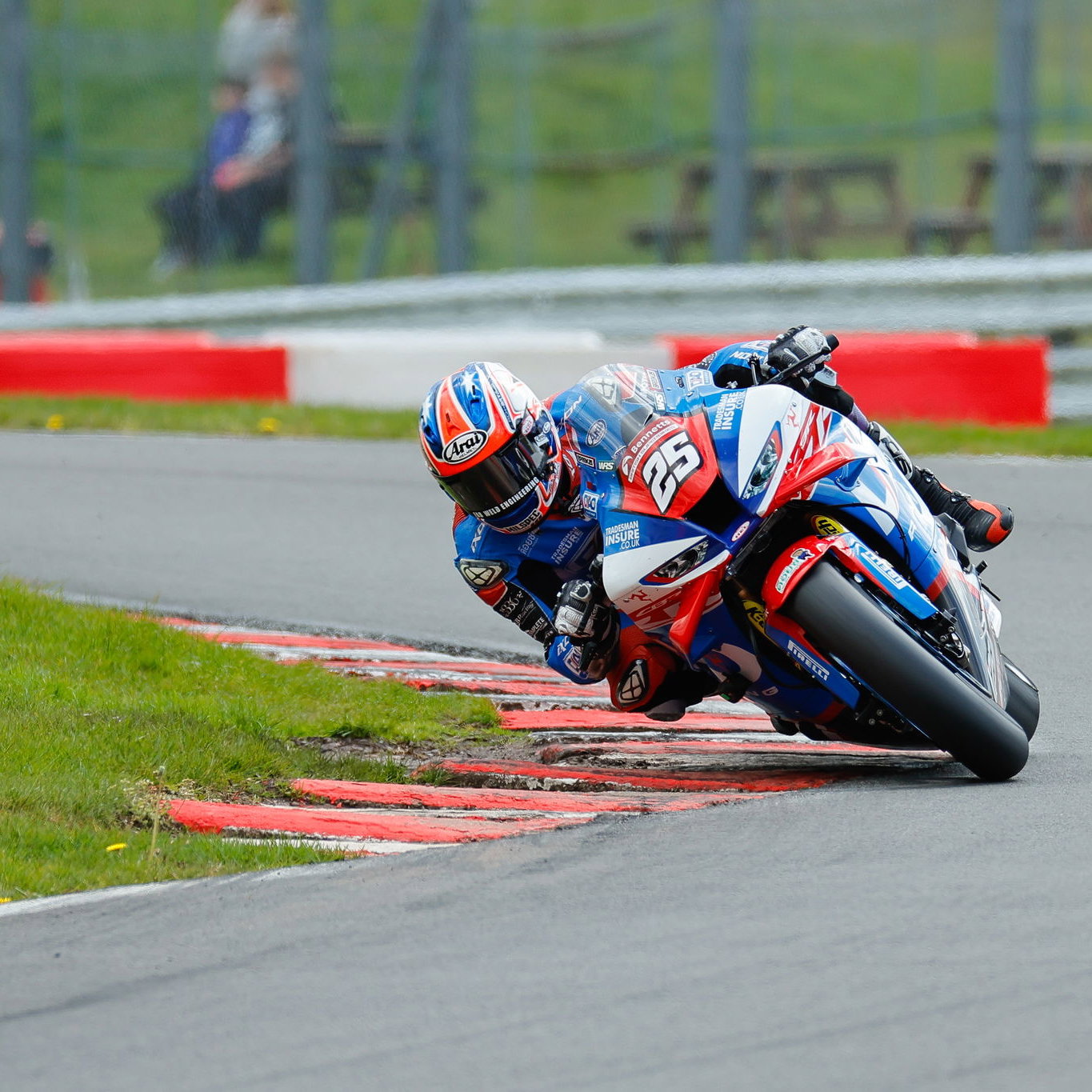
When speaking to Crash.net at the 2025 Oulton Park test, Brookes explained that he was struggling on corner entry because of the way the rear of the bike behaved in braking, with what he felt was little rear contact meaning he couldn’t stop the bike as he wanted.
By now, when DAO Racing has launched its 2026 livery, Brookes says, in an interview with Crash.net, that the issue was one that affected him throughout 2025, partly because of the number of tyres that are available on a BSB race weekend.
“It wasn’t something we were able to fix last year,” Brookes said.
“The problem at the end of last year was that we had some ideas that we wanted to try, but the fact you’ve only got six rear tyres for a BSB weekend, you can’t afford to lose a session playing silly buggers, so to speak!
“If that attempt to try something new fails, then you’ve not only lost a session, lost a tyre, you’ve also not moved anywhere forward; in fact you’ve actually lost a session [that could’ve been used] to actually fine tune the bike for that circuit, for that weekend.
“So, I felt like, even though we had ideas at the end of last year, we were never actually able to be brave enough to step outside of our working window that we had [in order] to find some better solution.”
Brookes added that the engine became a major focus of development. The team was happy with its capabilities in terms of pure performance, but the riders wanted something with a smoother and more manageable delivery.
“At the end of last year there was a lot of emphasis put onto the engine,” Brookes said.
“We felt like [...] entry was a big factor, and then entry being poor meant that we were desperate getting into turns; then, you can imagine, being desperate entering into a corner is only going to spoil your exit.
“There’s a long-term saying: ‘slow is fast’, ‘slow in fast out’. So, if we’re desperate getting into a corner and out of control, we’re definitely going to spoil our exit.
“It wasn’t that we weren’t making enough power, in fact we were making, in some respects, too much power. Then, when we’d try and reduce the power to make it rideable, [and] it became slow; meaning we weren’t fast off the corner, and if we gave the power back we were doing wheelies everywhere.
“There just didn’t seem to be a solution.
“The idea in the off-season was to try and create a more rideable engine character. So, not looking for more power, but looking for something that’s more user-friendly; more conventional methods of tuning, something that the rider’s going to enjoy and get confidence with, rather than trying to flex your muscles on the dyno and say ‘look how much power we make’, so to speak. So that’s been a work in progress and still is.”
The development on the engine side is something that continued to be worked on during a test in Spain in March, and the same will be true at the upcoming official BSB test at Donington on 3–4 April.
“We were hoping to get some indication from those first tests that we did in December, but unfortunately because of the weather it was a spoiled test,” he said.
“So, it wasn’t until we went to Spain a couple of weeks ago that we finalised that direction.
“Both Lee [Jackson] and I picked the same engine, which was pleasant because if one of us picked one and another picked the other it makes it very difficult to know which way is correct.
“But fortunately we both picked the same, so that’s where the direction of development will continue, with that engine style that we both thought was smoother.”
Of course, a motorcycle is more than its engine, so work is also going on on the chassis side which Brookes described as “experimental”.
“Then, because we had the luxury of time – even the four days that we had wasn’t enough – we could do something a bit more experimental on the chassis,” he said.
“I don’t mean experimental like we’re doing something different that other people, other teams don’t have the ability to try, it’s a part of the tools that are already in the box.
“But, unless you have a chance to try every single setting with every combination, you haven’t tried it all, so to speak.
“I feel like the weight distribution of the bike – and I don’t mean as in having the bike so the weight’s on the front, or having the bike over to the rear so the weight’s on the rear, I’m talking about the actual [centre of mass] – we altered a little bit, and we found that there were some improvements with the package.
“So, similar to the engine, we’ve started on a path but we’re only part way up that path. It feels like it’s a better direction, the lap time improved with the early settings, but until we’ve extended all the options on this concept of change we won’t know if it’s good enough.
“The lap times we did the other day weren’t good enough to get excited yet, but what I felt from the bike and my instincts, from experience, suggest that this is a better way and a better path than what we were on last year.”
Two areas of the corner were improved as a result of the changes the team made, but Brookes is still after further changes.
“It felt like during the test we improved corner entry and corner exit, the only area that we lost was the rotation of the bike through the middle of the corner,” he said.
“So, I think with some more change, and the reason I say change is because we didn’t have the parts; some of the parts that we’ve made are kind of like ends of the extreme, so going all the way one way is too far and going all the way the other way is too far; somewhere in the middle is the goldilocks range.
“But at the test we didn’t have every single part that could be made for the bike; because of time and restrictions of manufacturing costs and stuff like that we kind of made each extreme, we had the two ends of the spectrum.
“Now that we’ve proven a concept, we’ve now got to narrow down which bit was good on [one] extreme and which bit was good on [the other] extreme, and work out where that goldilocks zone is. So, that’s what’s being spoken about now within the team, and the next test we’ll hopefully have those parts made and put them into practice.
“Fingers crossed it’s something good, otherwise it was a ‘nothing ventured, nothing gained’ kind of experience, but I’m really hoping it’s not as underwhelming as that.”
In this article


Alex joined the Crash.net team in August of 2024 having covered consumer and racing motorcycle news at Visordown for two years.