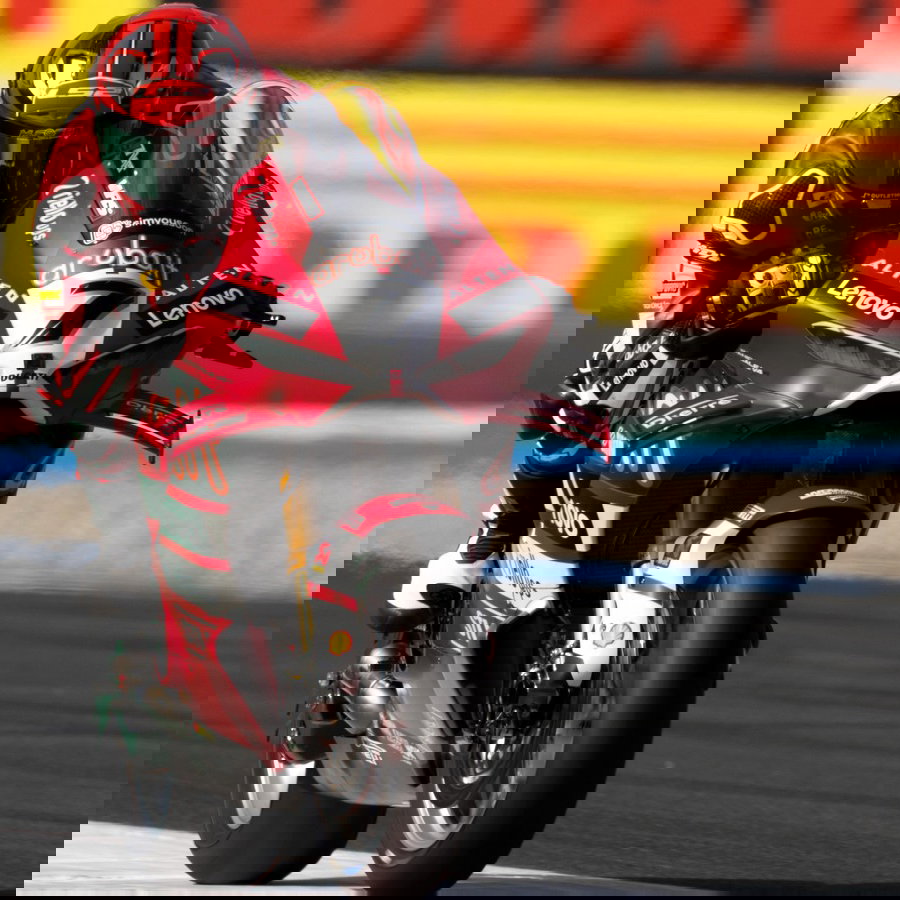
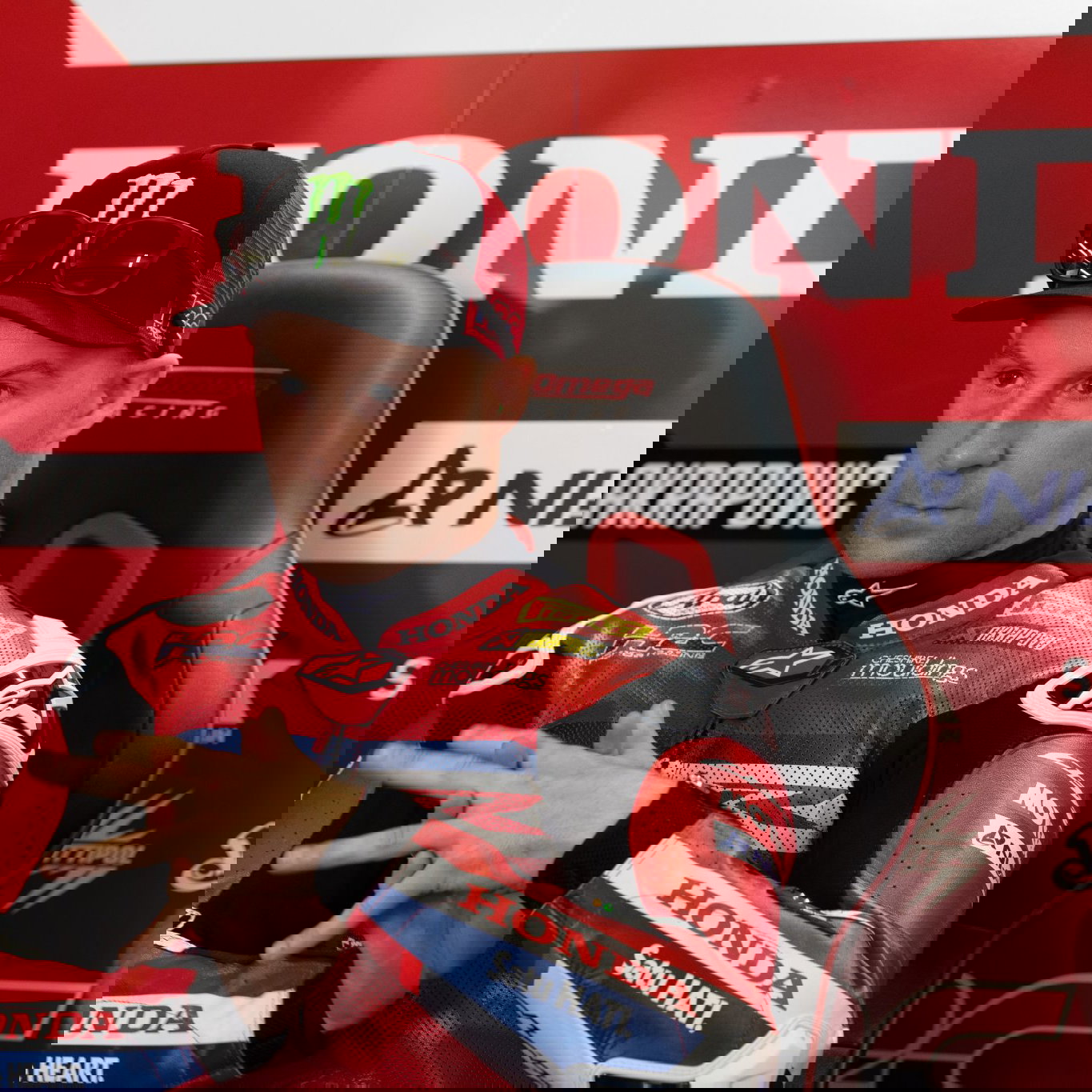
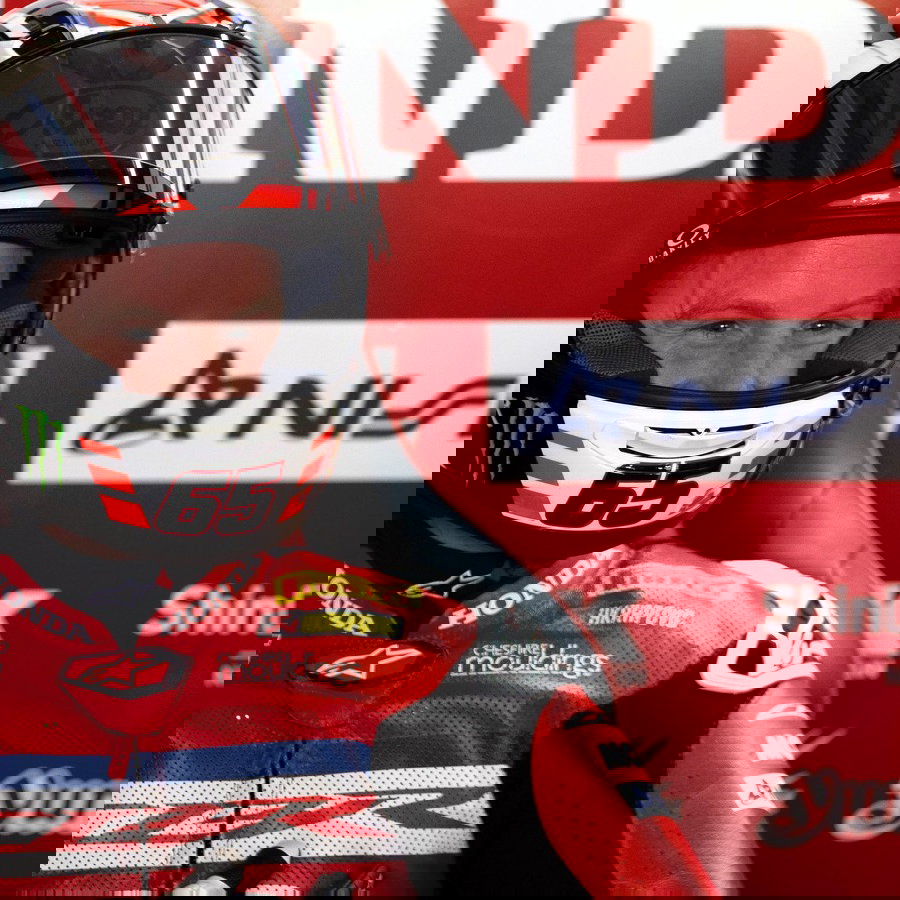
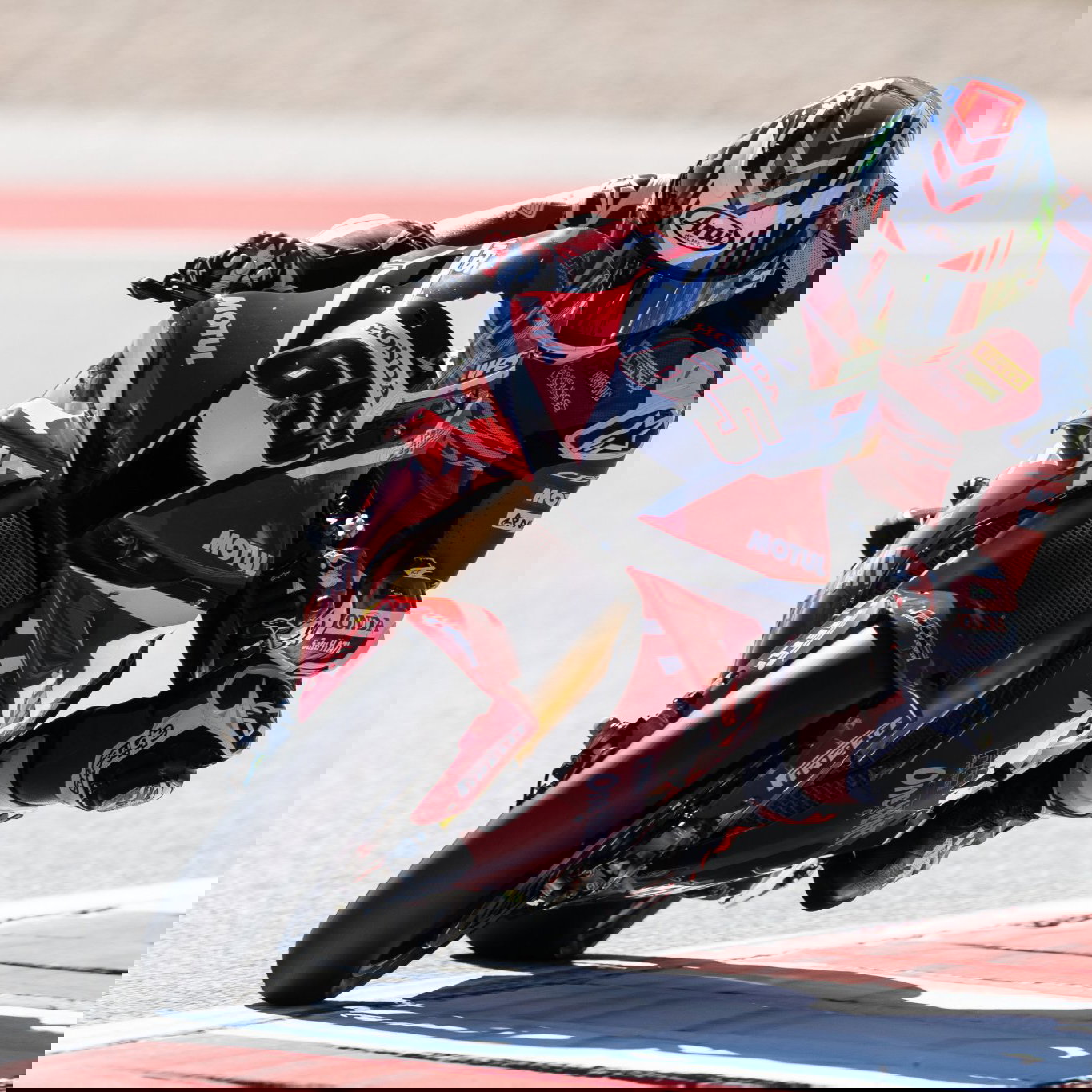
As WorldSBK 2026 dawns, one giant looks further away than ever
Honda’s latest WorldSBK injury came at the worst time for a brand trying to show its true potential in 2026.

Honda is going into yet another World Superbike season with its rider line-up diminished by injury, and the timing this year could hardly be worse with two rookies on its books for 2026.
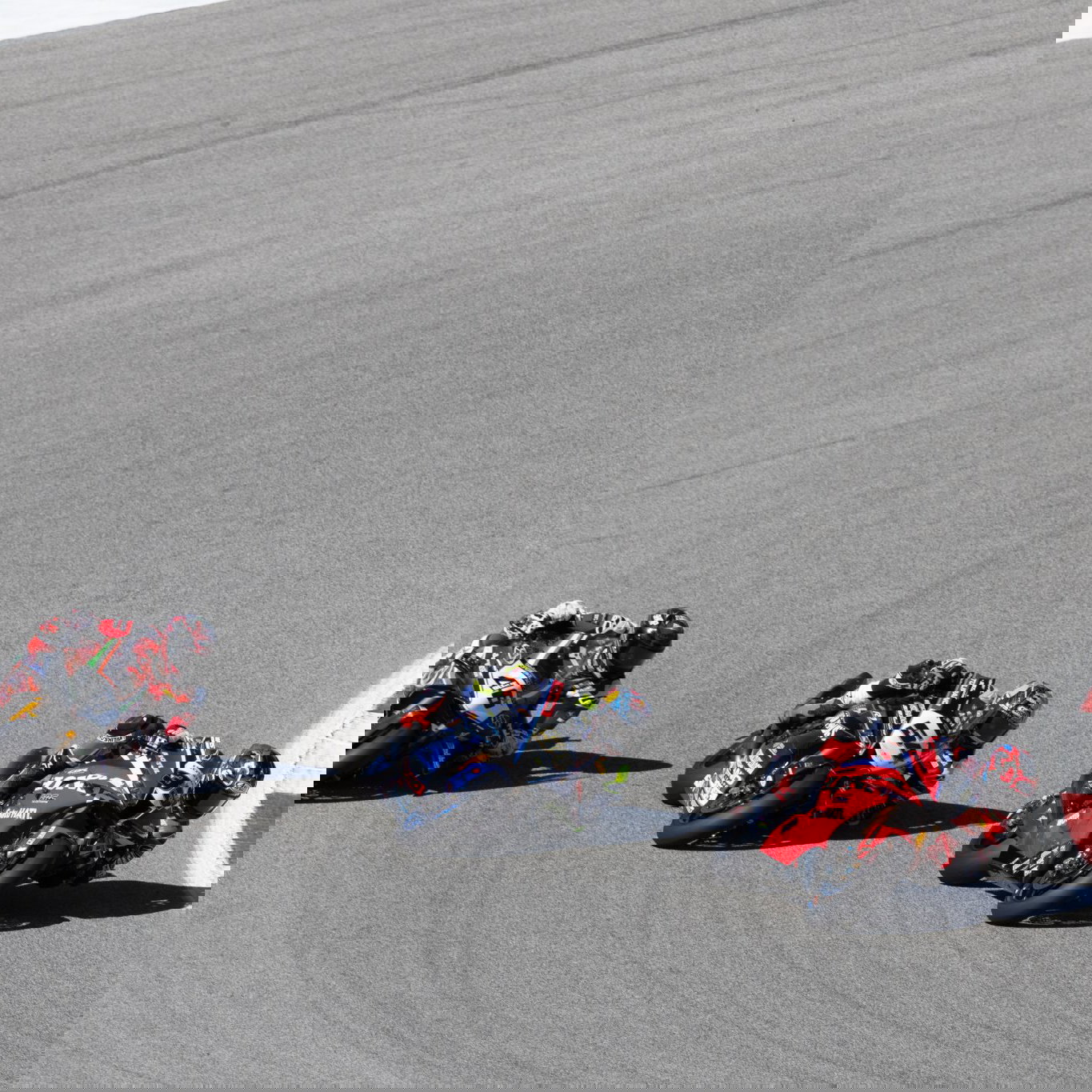
After four seasons of Xavi Vierge and Iker Lecuona, the double-rookie line-up of 2026 was supposed to be a reset for HRC. That, combined with a change of Team Manager as Yuji Mori replaced Jose Escamez, and the arrival of Jonathan Rea as test rider – with wildcards planned – should’ve meant that this was the year when HRC finally showed the true potential of its CBR1000RR-R Fireblade SP.
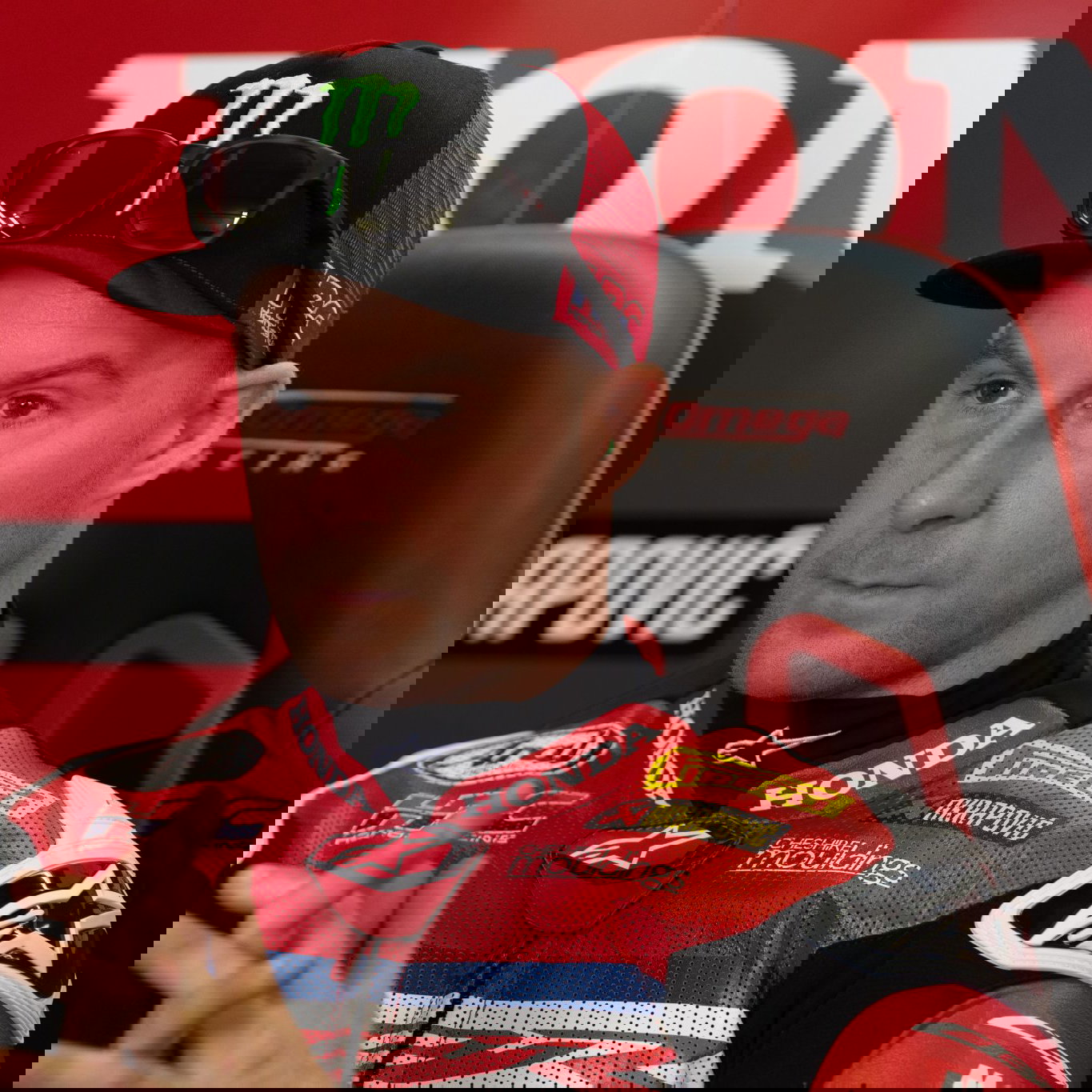
But, even before the season has started, Honda has found itself on the back foot. An injury for Somkiat Chantra at Sepang in January scuppered his pre-season, then the tests in Europe provided almost no dry track time for the test team and Jake Dixon, before Dixon crashed on the second day of the Phillip Island test before setting a lap time.
Dixon’s crash resulted in a broken left wrist and a contusion in his left elbow, ruling him out of the Australian Round. It means Honda will have only wildcard Ryan Vickers and Chantra’s replacement, Tetsuta Nagashima, available in Australia.
It’s hard to imagine a worse start to the year for Honda, which has scored a total of six podiums since returning to World Superbike as a factory team in 2019, and hasn’t been represented on the top step of a rostrum since Nicky Hayden’s wet weather Sepang win for Ten Kate in 2016. Three of the podiums taken with the current bike were taken by Alvaro Bautista, who then returned to Ducati and won two world titles back-to-back. Lecuona, who has now also made Honda-to-Ducati move, scored two more podiums for HRC, while one was taken by Vierge, who is now at Yamaha.
The chances of Dixon and Chantra getting on the podium this year were pretty slim, and even slimmer – of course – were their chances of taking the CBR1000RR-R’s first win. But missing testing time (Dixon sat out 50% of the dry days this winter with his crash on Tuesday) and the first race of what will be the rookie season for both means they are already behind in a plan that presumably covered several years, intending to take the two from WorldSBK rookies to riders who can compete at the front of races in the championship.
Plus, it puts them both behind on their understanding of the series and the bike itself, delaying their development as riders who can bring useful technical feedback to a factory team, a position neither of them have been in before.
Chantra’s previous involvement in a factory surrounding came in his rookie MotoGP campaign last year with LCR Honda. But such was his poor form that Honda elected effectively to ignore any data he gathered during race weekends.
On the other side, the injury for Dixon in particular follows a trend laid out by the Fireblade after Lecuona spent much of his four years with HRC on the sidelines through injury, including two at Phillip Island in 2024 and 2025, as well as a forearm injury at Balaton Park (from the Race 1 lap one crash that wasn’t his fault), a foot injury in 2024, and there was an injury at the end of 2022 that carried into 2023, too. Vierge wasn’t immune to injuries, either, although the Catalan’s foot injury at Most last year was picked up in a multi-rider incident at the first chicane.
The trend set, mostly by Lecuona, and now seemingly carried on by at least Dixon leaves the impression that the Fireblade is a difficult bike to ride on the limit, and on the limit is where it must be ridden given the overwhelming pace disadvantage is suffers compared to brands like Ducati and now seemingly Bimota as well, given the Italian factory's impressive pace at the Phillip Island test.
Honda’s uncompetitiveness in WorldSBK is probably best-illustrated by its finishing position in the manufacturers’ standings: fifth in 2025, ahead of only the one-bike Kawasaki; fifth and last in 2024; fifth and last in 2023; fifth and last in 2022; fifth and last in 2021; and fourth, ahead of BMW and Aprilia, in 2020. To summarise that, it’s been last every year, apart from its first year.
In that time it’s tried leaning into Superbike to push development, hence the number of wildcard appearances from Honda BSB rider Tommy Bridewell, and also leant on MotoGP, which was the reason for bringing in Escamez after the running of the team was moved to Barcelona in the same place as the MotoGP outfit is operated from.
Now it’s gone back to two rookie riders and trusted the leadership of the operation with a Japanese engineer, but the first impression of the refreshed Honda WorldSBK project is a continuation of the past: riders crashing, getting injured, and missing races.
The next question, of course, is what comes next for Honda. The first round of its 2026 season is effectively already ruined with both its full-time riders out of action. Next up after Phillip Island is, perhaps thankfully, another test at Portimao. Should it be dry and should both Dixon and Chantra be able to ride there, it should be an opportunity for them to finally get more acquainted with the CBR1000RR-R before beginning their season at the Portuguese Round on 28–30 March. But expecting results from HRC in 2026, at least in the summer break from the middle of July until the end of August, currently seems as unwise as ever.
In this article


Alex joined the Crash.net team in August of 2024 having covered consumer and racing motorcycle news at Visordown for two years.