MotoGP issues statement after investigation into Brazil track issues
MotoGP’s race direction has carried out an investigation into the track issues in Brazil

MotoGP’s race direction has issued a statement on the track issues that plagued the Brazilian Grand Prix, noting that an investigation has been carried out.
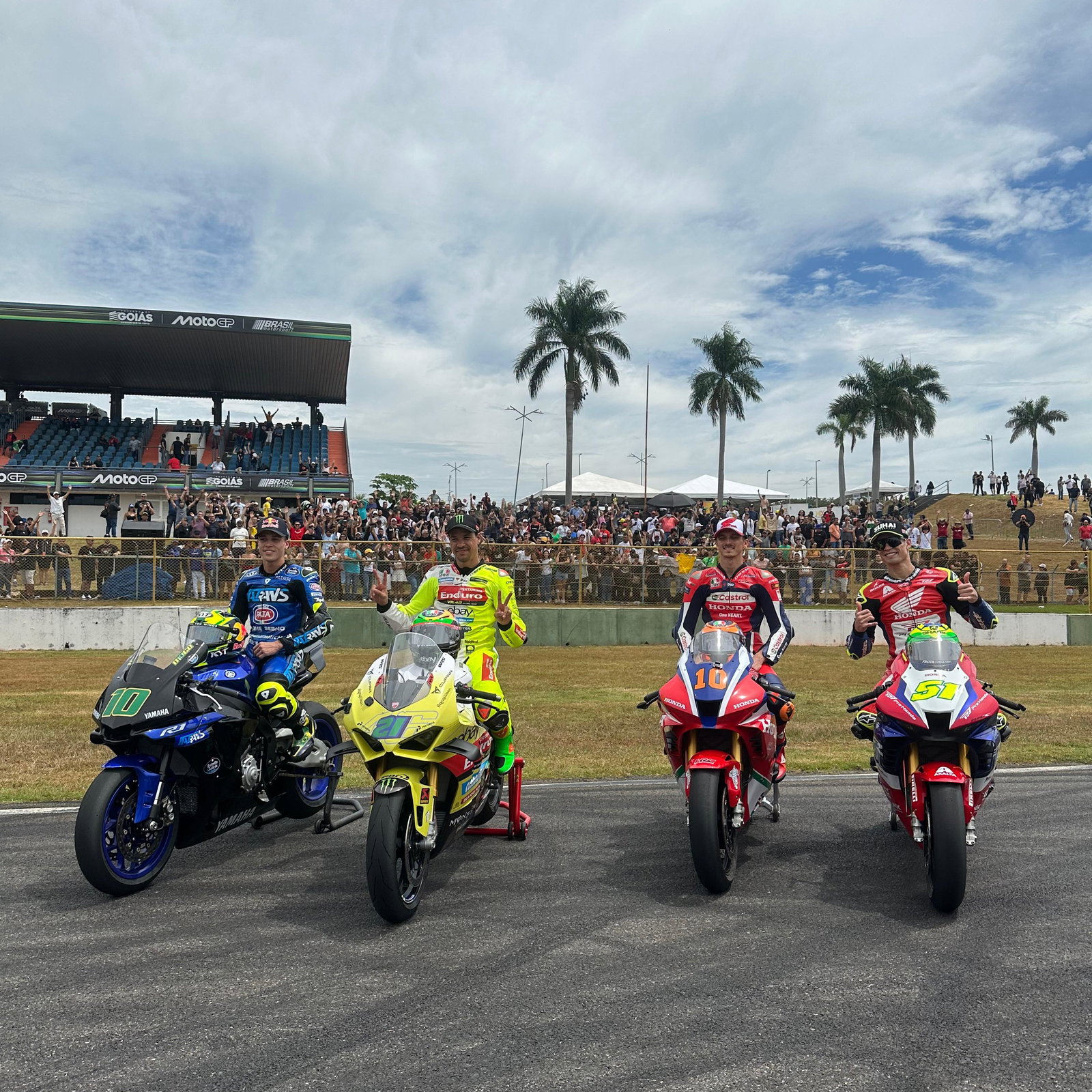
MotoGP returned to Brazil for the first time in 22 years last weekend to the revamped Ayrton Senna circuit in Goiania.
But the event was beset by issues with the circuit, including flooding due to heavy rain earlier in the week, a lengthy delay to the sprint due to a sinkhole on the main straight, and then asphalt damage leading to the grand prix to be shortened just moments before it was due to start.
MotoGP’s race direction, on behalf of the governing body, the FIM, has now issued a statement on the problems following an investigation into the causes.
The statement blames “unprecedented rainfall, which impacted the final works, and contributed to the track surface issues”, while the sinkhole on Saturday was the result of “an undocumented old sewage system” collapsing underneath the track surface.
The asphalt degradation that occurred on Sunday at Turns 11 and 12 was “caused by the significant heat and track activity” from Moto2 qualifying, MotoGP warm-up and the Moto3 and Moto2 races.
The statement also includes details on the homologation process for circuits, though questions over its robustness remain.
The full statement from MotoGP on the Brazil track issues
“Following the challenges with the track surface during the Brazilian Grand Prix, the circuit and race promoter have carried out investigations into the causes, including the unprecedented rainfall which impacted the final works and contributed to the track surface issues.
“On Saturday, a significant defect in the track emerged due to the collapse of an undocumented old sewage system beneath the surface.
“The problem, which was fortunately off the racing line, was immediately attended to and repaired following a quick response from the circuit, which allowed track activity to continue later in the day.
“On Sunday, localised asphalt degradation caused by the significant heat and track activity became apparent following the conclusion of the Moto2 Grand Prix.
“Despite removing all excess aggregate ahead of the MotoGP Grand Prix, a small risk of continued surface deterioration during the MotoGP race remained.
“Circuit staff were working right up to the scheduled start to prepare the track, but in the interest of safety, race direction took the decision to reduce the race to 23 laps (75% of the original race distance).
“Teams were immediately informed of the change by IRTA staff on each row of the grid.
“MotoGP’s homologation process for circuits is managed by the FIM and begins more than a year in advance.
“It includes detailed inspections of all construction areas. As each global location will require a different asphalt mix and laying procedure, these are decided by the circuit and presented to the FIM to ensure all safety standards are met.
“Homologation is then confirmed shortly before each grand prix.
“The issues faced in Brazil have been acknowledged by the promoter and the circuit and will be rectified before MotoGP returns next season.
“The Grand Prix of Brazil welcomed 148,384 fans to Autodromo Internacional de Goiania - Ayrton Senna, demonstrating both the strong appeal of MotoGP in Brazil and MotoGP's opportunity for further global growth.”
A number of riders were unhappy with the late call to reduce the number of laps in the grand prix, with those further down the grid being informed without enough warning to be able to change their tyres for the shorter distance.
In this article