Moreira to Razgatlioglu: The 2026 MotoGP grid ranked by weight
Official height and weight statistics for the 2026 MotoGP grid.

This is how the 2026 MotoGP grid shapes up, literally, in terms of height and weight, according to the figures provided by MotoGP.com.
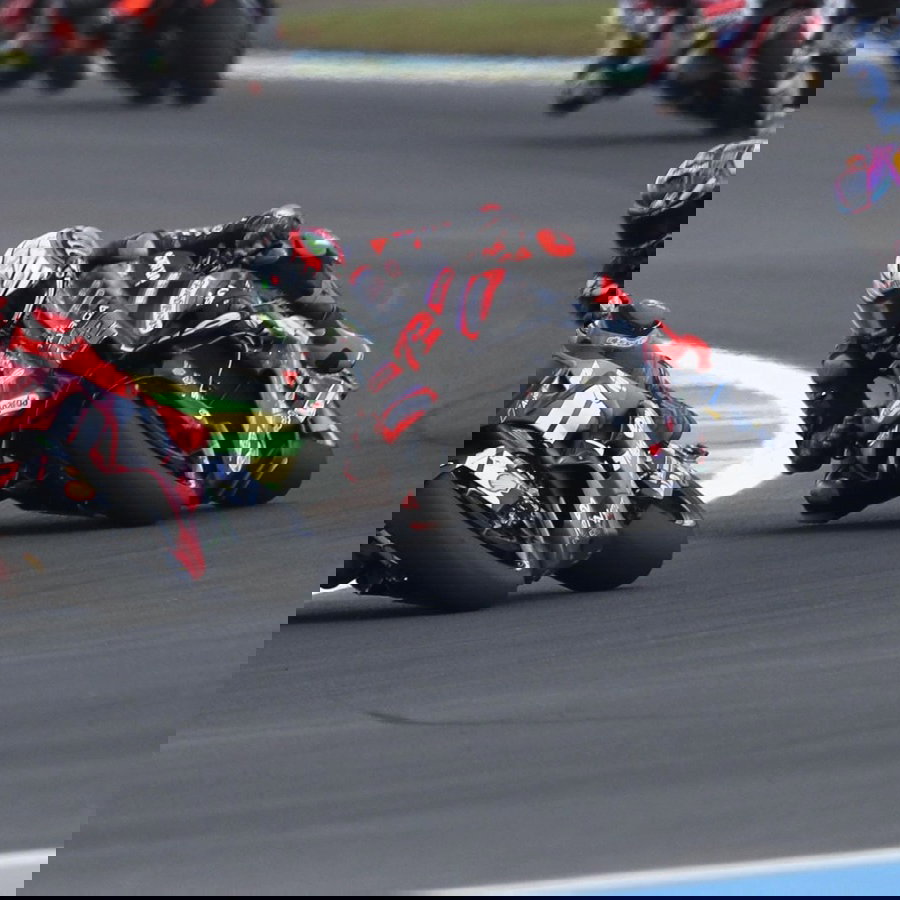
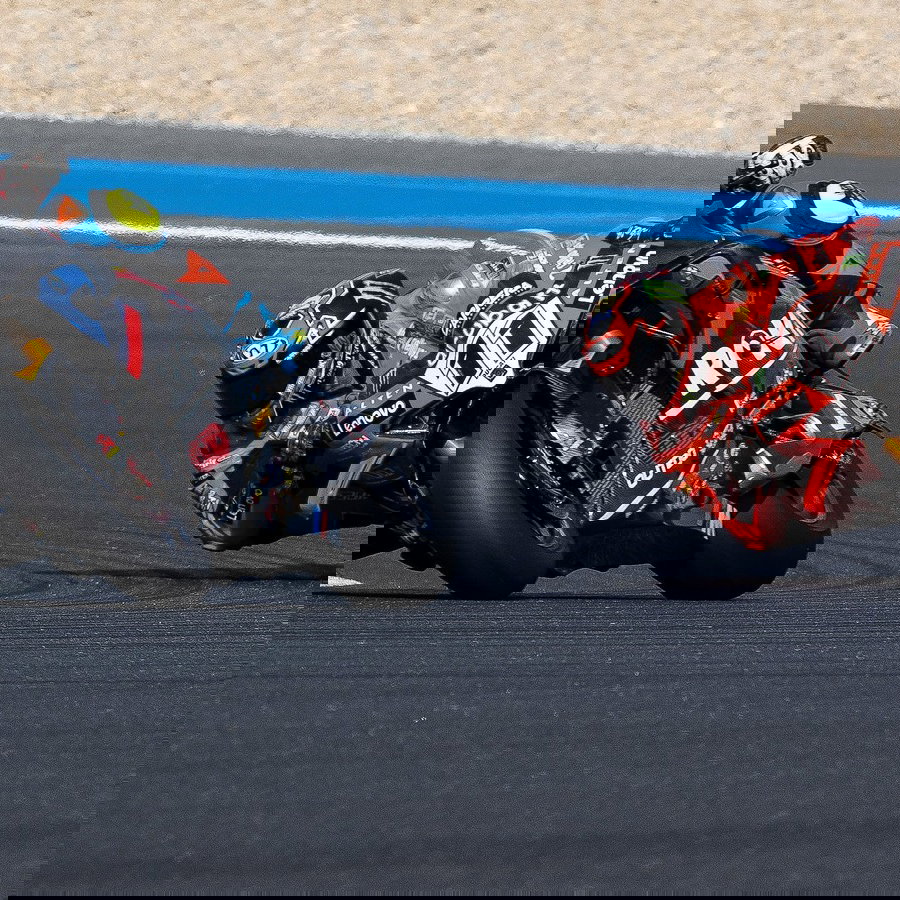
The statistics show rookies Diogo Moreira and Toprak Razgatlioglu at opposite ends of the size scale.
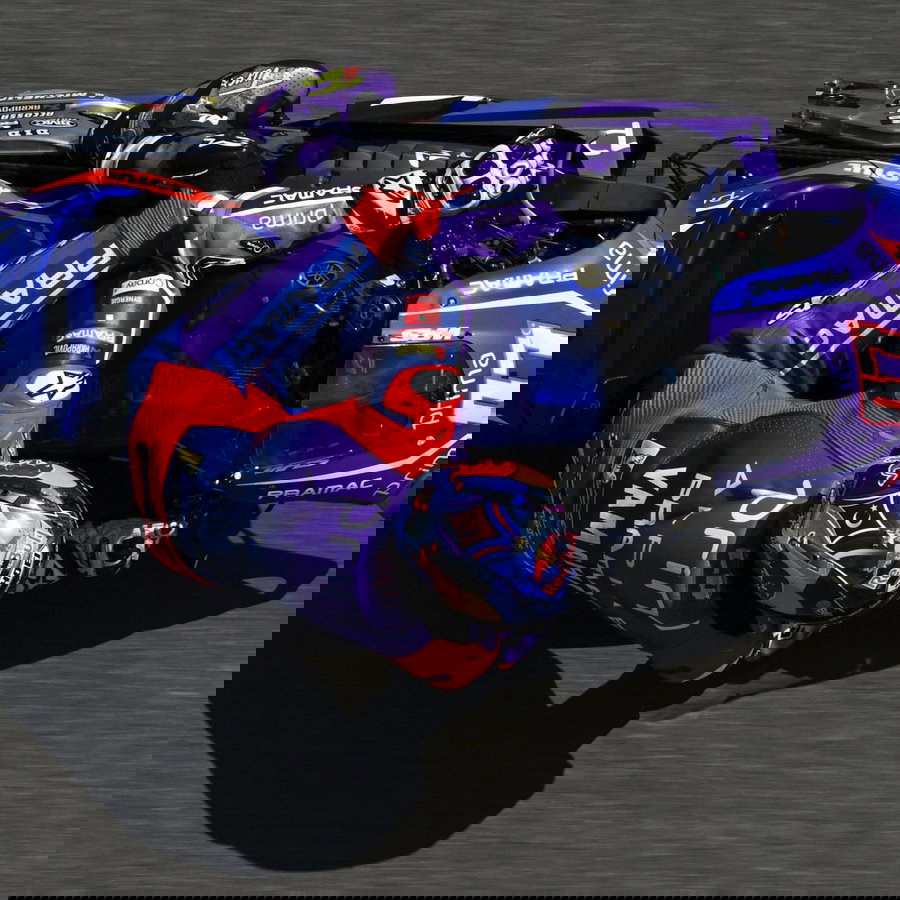
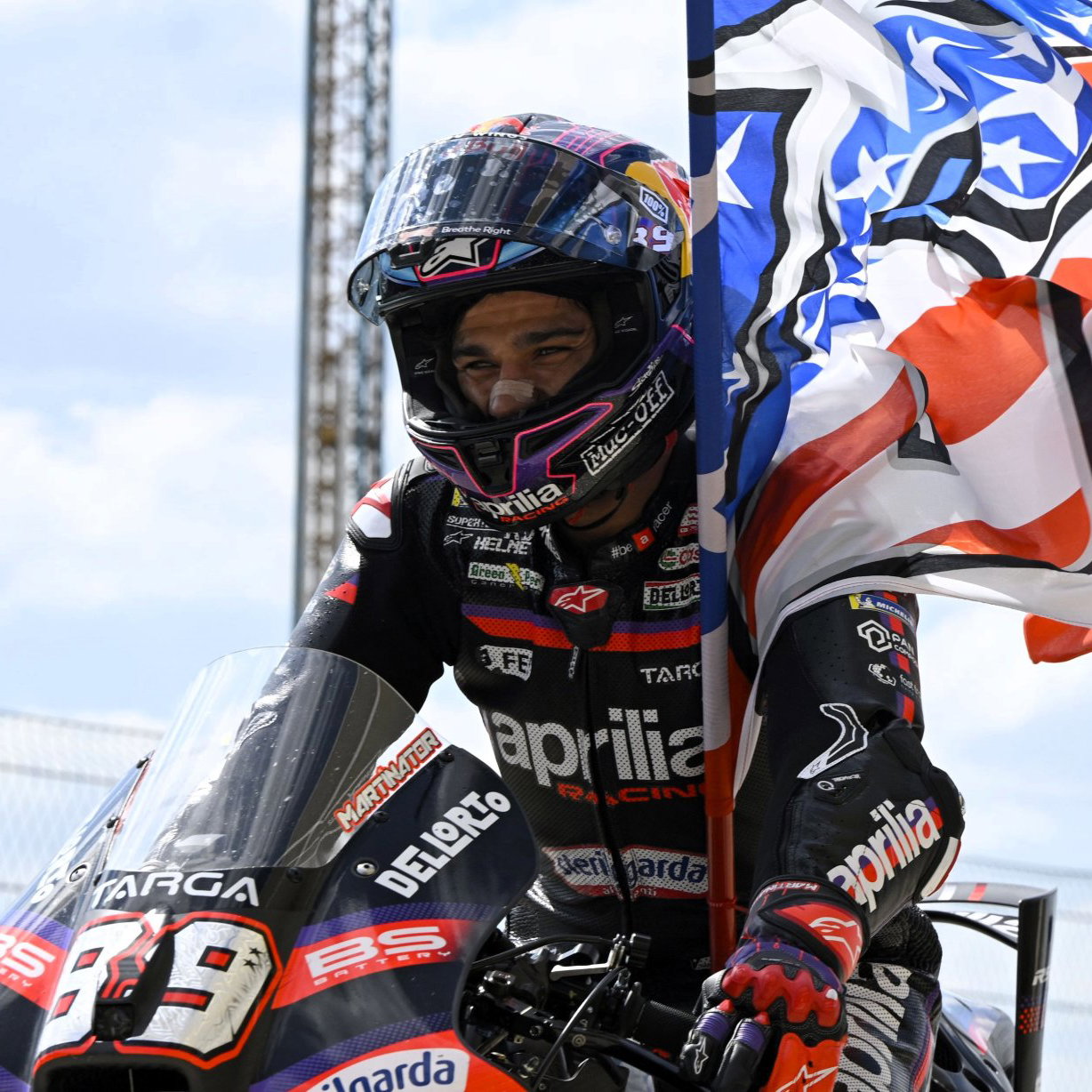
New Honda LCR rider Moreira matches Ai Ogura as the lightest rider on the grid at 60kg, while Pramac Yamaha’s reigning WorldSBK champion, Razgatlioglu, is listed as the heaviest at 80kg.
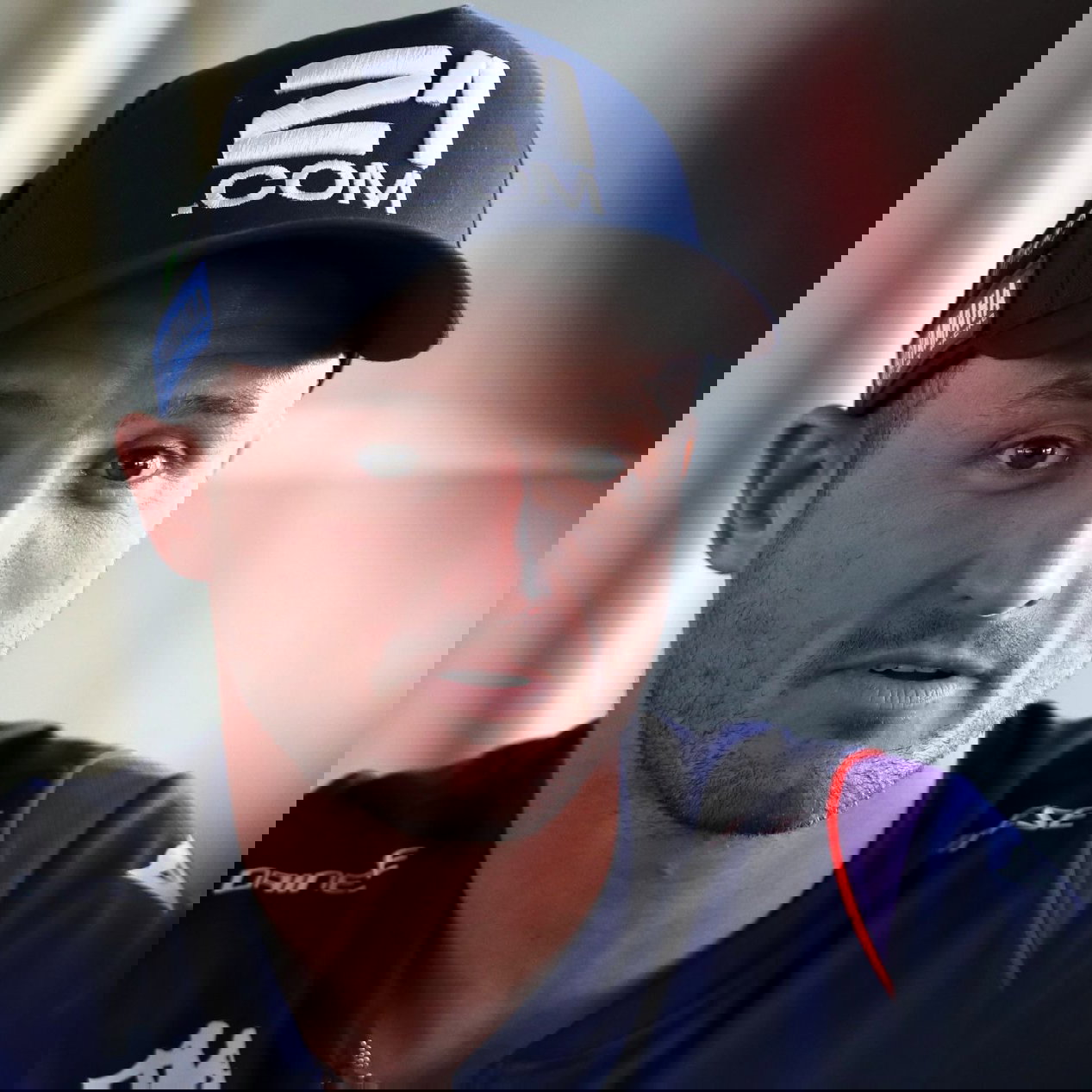
Razgatlioglu is also carrying an 11kg weight disadvantage over the next heaviest riders: Luca Marini, Fermin Aldeguer, Joan Mir and Fabio Quartararo (69kg).
The Turkish star is also the tallest rider on the 2026 grid at 185cm, which is 1cm more than factory HRC rider Marini. Jorge Martin and Enea Bastianini are the shortest riders, at 168cm.
Unlike the Moto3 and Moto2 classes, which use a combined rider and bike minimum weight limit, MotoGP only specifies a minimum machine weight (157kg).
Marini has long argued that MotoGP should also have a combined weight limit, explaining that the biggest penalty is not in terms of outright acceleration but the amount of tyre ‘stress’ needed to generate that acceleration.
“There is a [combined] weight in Moto2, and I was over the limit, but like 4kg. And it's OK if between me and another rider there is 4kg," Marini explained upon arriving in the premier-class with VR46.
"But [in MotoGP] the difference between me and another Ducati rider is 10kg."
Marini added: "It's not that you lose in acceleration; the acceleration, also in the data, is the same.
"But the energy that you put into the tyre is more. So you need to be very careful with the rear tyre, especially because you don't want to use it so much.
"I think it would be better for everybody to have a [combined] minimum weight - also for the other [smaller] riders, because it will allow them to put more weight, they can build more muscle.
"Why does a heavy rider need to be penalised for something that is just his nature? It’s something with no sense in my opinion.”
Unfortunately for the likes of Marini and Razgatlioglu, the Italian felt the situation was unlikely to change - and has been proved right so far.
“The manufacturers don’t want to put [ballast to reach a minimum combined weight]. They want to keep going like [now] and [not think about] if they have a small rider, where they need to put the [ballast], because maybe this can affect the behaviour of the bike.
“I think [a combined weight] is something that needs to come from IRTA, from Dorna, not from the manufacturers.”
MotoGP 2026: Rider height and weight
- Diogo Moreira: 169cm, 60kg.
- Ai Ogura: 169cm, 60kg.
- Fabio di Giannantonio: 177cm, 62kg.
- Jorge Martin: 168cm, 63kg.
- Brad Binder: 170cm, 63kg.
- Pedro Acosta: 171cm, 63kg.
- Enea Bastianini: 168cm, 64kg.
- Marc Marquez: 169cm, 64kg.
- Maverick Vinales: 171cm, 64kg.
- Jack Miller: 173cm, 64kg.
- Francesco Bagnaia: 176cm, 64kg.
- Marco Bezzecchi: 176cm, 64kg.
- Raul Fernandez: 178cm, 65kg.
- Alex Marquez: 180cm, 65kg.
- Johann Zarco: 171cm, 68kg.
- Alex Rins: 176cm, 68kg.
- Franco Morbidelli: 176cm, 68kg.
- Fabio Quartararo: 177cm, 69kg.
- Joan Mir: 181cm, 69kg.
- Fermin Aldeguer: 181cm, 69kg.
- Luca Marini: 184cm, 69kg.
- Toprak Razgatlioglu: 185cm, 80kg.
In this article


Peter has been in the paddock for 20 years and has seen Valentino Rossi come and go. He is at the forefront of the Suzuki exit story and Marc Marquez’s injury issues.