Brown: F1 ready with “quick, easy adjustments” if rules create a bad show
As F1 enters a new era, Zak Brown believes regulatory changes could be quickly made to improve the spectacle if needed.

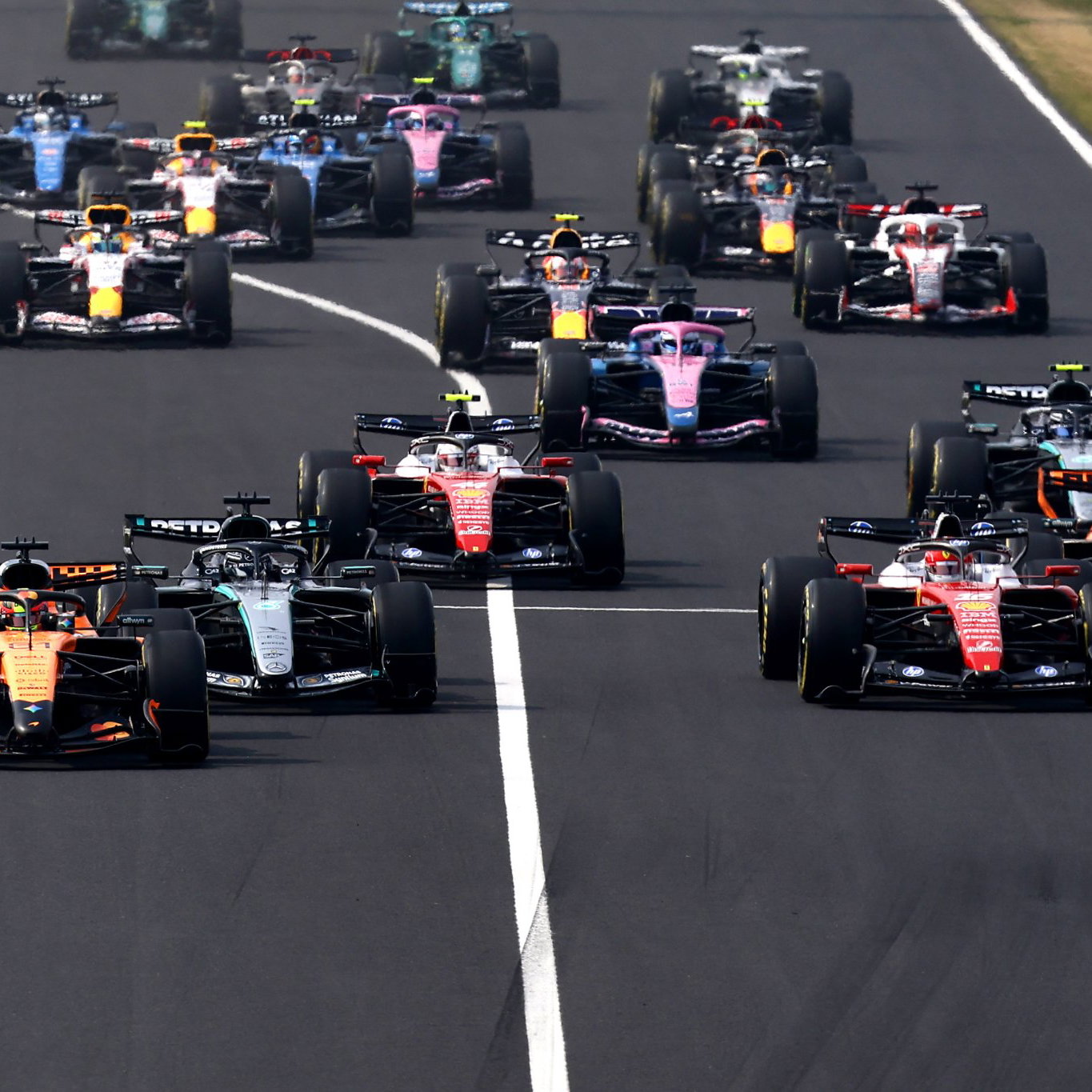
McLaren CEO Zak Brown says Formula 1 can make “quick, easy adjustments” to the regulations if Sunday’s Australian Grand Prix and other early races do not provide a good show.
Since the 2026 cars hit the track and fears that energy recovery and deployment would be complicated to manage have proved true, there has been talk about how the racing will be perceived by fans.
Possible tweaks to energy deployment have been discussed, although it was decided to see how the early races unfold, and then review the situation and debate possible tweaks.
The complication is that Melbourne is one of the toughest tracks of the year in terms of energy recovery, and thus, the season could get off to a bad start.
Asked by Crash.net if he had any concerns about the show we’ll see on Sunday and the public’s understanding of it, Brown made it clear that he’s open to change.
“I wouldn't say concerns, but I'm aware with these new regulations, there are a lot of conversations around what it's going to look like to race,” he said. “I think we just need to wait and see. If it isn't what we hope it will be, I think there's some quick, easy adjustments we've all spoken about.
“Whether we should have done them coming into the race or not, I think we can Monday morning quarterback that, but I think it's a relatively straightforward fix, if the concerns we have come to fruition. So we'll wait and see on Sunday.”
Brown acknowledged that teams and other stakeholders will have different ideas on how to react.
“I think, as in classic F1, everyone has different opinions,” he said. “We have an opinion, but I think we're comfortable waiting to see how Sunday plays out. I think it'll also be a little bit track-specific. I think there's some concern that Australia might draw bigger issues than, say, a Bahrain and other circuits.
“So we have an opinion, but we're comfortable going racing as we have it. And I think it'll become clear or not if adjustments need to be made. And I think everyone's at the same view if we don't put on a good show on Sunday, which I hope we do, then everyone will step in quickly and align around what it'll take to put on a good show.”
Pressed on whether any changes would require unanimity, Brown suggested that the safety card could be played in order to override any opposition.
“I don't know all the governance,” he said. “If there's a safety aspect to it, which is an aspect of concern, then the FIA can just make the decision on the grounds of safety, if clipping and things of that nature become a safety concern. So I'm not sure if we all have to agree, but I'm sure we all will if that's what's necessary.”
F1 collaborative in new era
While F1 teams are famed for pushing the technological and often, regulatory, boundaries, Brown believes there is a coming together in the championship's latest era, with stakeholders being more cooperative than in the past.
“I feel that the sport is working as well together as it ever has,” he said. “The F1 Commission meeting now is only one person per team, and people no longer video in, so it's a lot more private, which I think is good.
“Andrea [Stella] joins it, I don't, so I get briefed on it. But I think that the sport is in the healthiest place it's ever been from a collaboration point of view of everyone working together to do what's best for the sport. Look how strong the sport is.
“So things like the power management come Sunday, I think we'll all work together if we feel things need to be adjusted for the good of the sport. So I think everyone's benefiting from that, and most specifically, the fans.”
Some observers have suggested that Sunday’s race could so chaotic that it could actually be an entertaining afternoon with some surprise outcomes, and Brown acknowledged that is a possible scenario.
“We can all speculate,” he said. “Maybe it'll be exciting to see how difficult it is to manage, and certain drivers do it in certain ways, and certain drivers do it in certain ways. So I think that's exactly it.
“We can kind of speculate through all our simulations what we think it might look like, but until we hit the track, you don't really know. So I think that's why we're all comfortable. Let's get on with the show, and see what it looks like, and adjust and adapt if we need to.”


Adam Cooper attended his first F1 race at Brands Hatch as a 10-year-old fan in 1976. He became a freelance journalist for Autosport magazine in 1985 while still at university, initially covering everything from club racing to the FIA World Sportscar Championship.