How the F1 2026 midfield battle is shaping up after two rounds
What is the early state of play in the F1 2026 midfield battle?

After the opening two rounds of the 2026 Formula 1 season, the midfield battle is already shaping up to be as thrilling as it is intriguing.
The biggest regulation shake-up in F1 history has reset the midfield pecking order and created a few early surprises, as well as some pretty big disappointments.
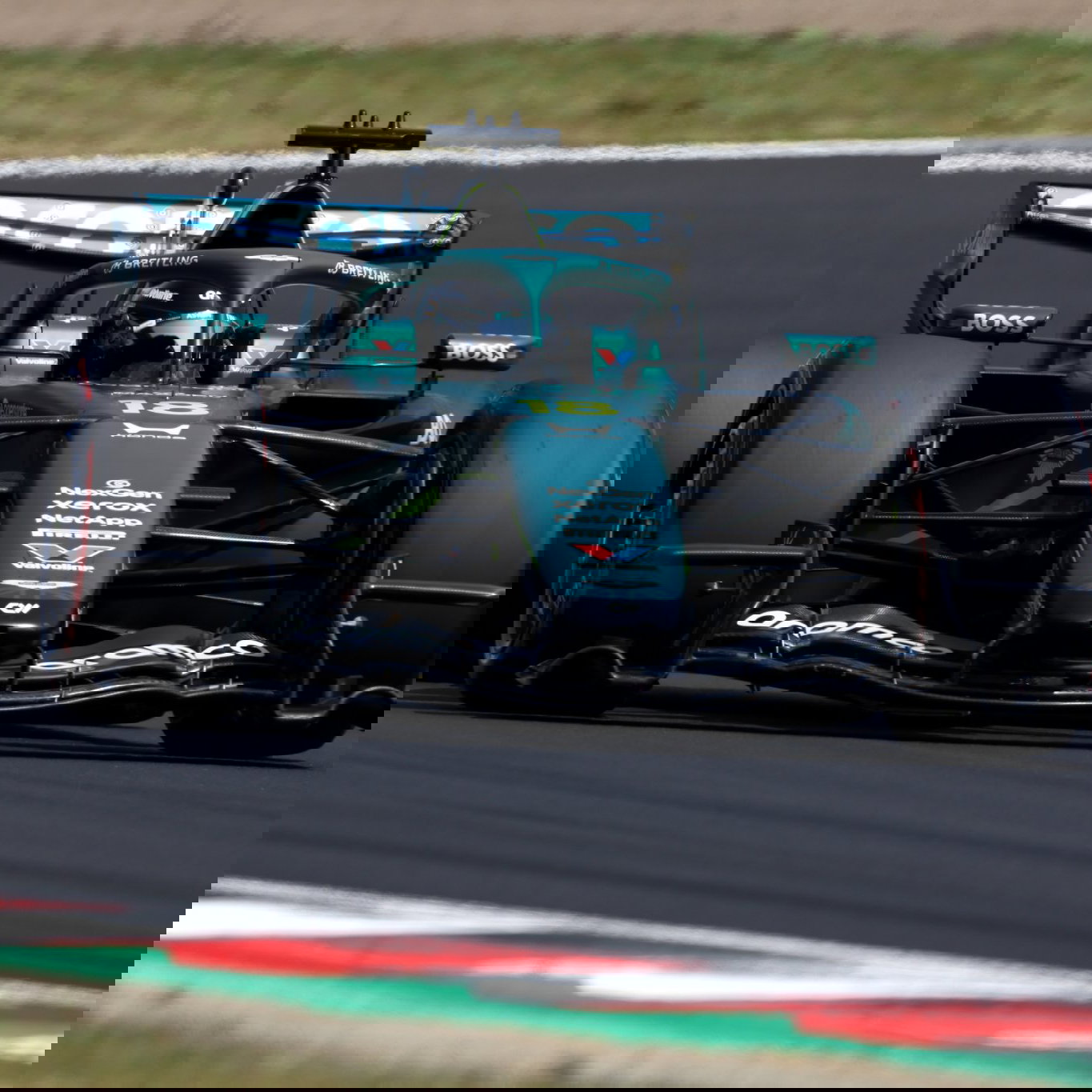
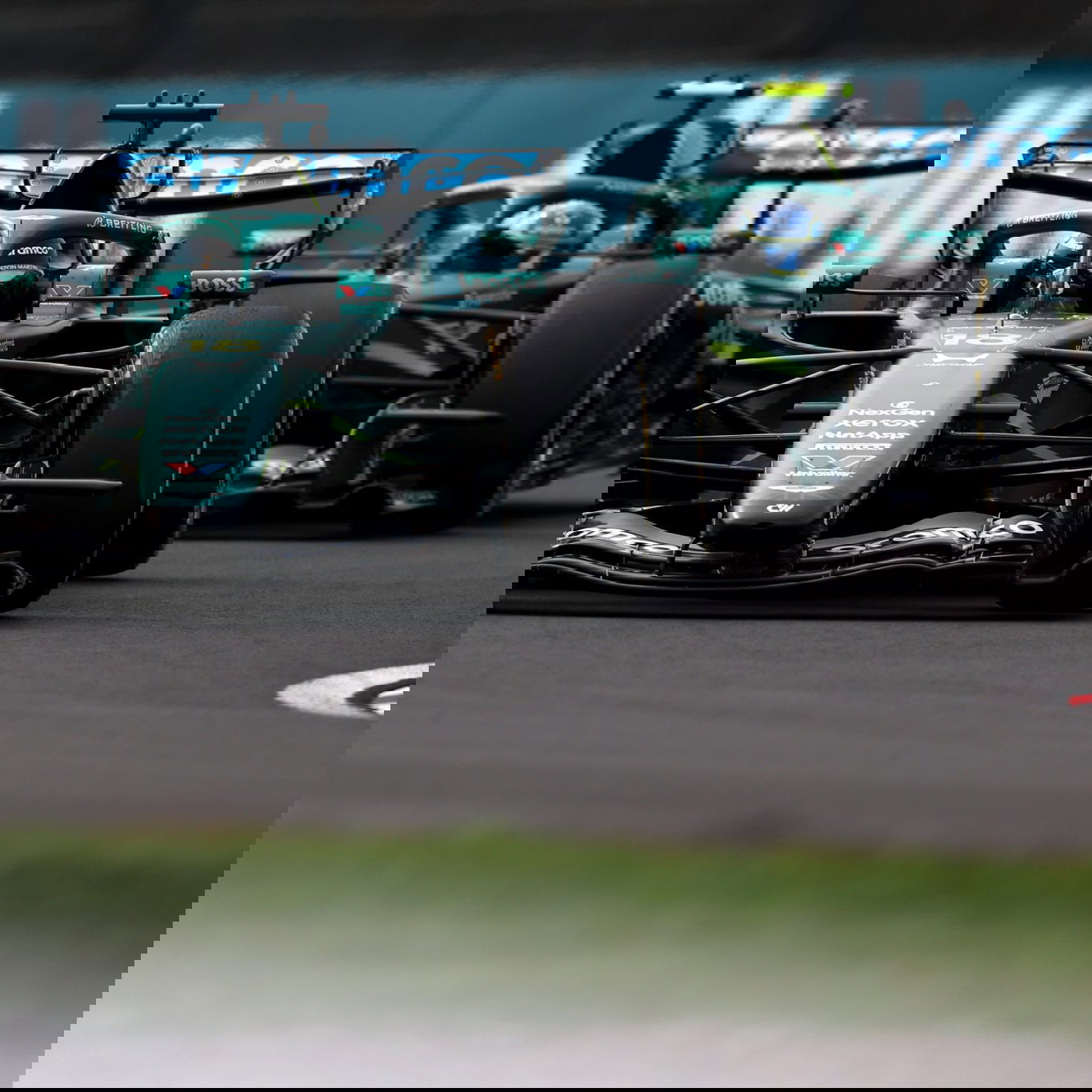
Aston Martin’s unforeseen disastrous start to 2026 has left it playing catch up along with newcomers Cadillac, with the two teams cast in the unwanted role of being F1 ‘backmarkers’.
This has effectively left F1 in a three-tier state, with the top four (Mercedes, Ferrari, McLaren and Red Bull) leading a tightly-contested chasing pack consisting of five teams.
But who has made the best start in F1’s midfield, and who has work to do? This is our take on the early state of play…
The early pacesetter - Haas

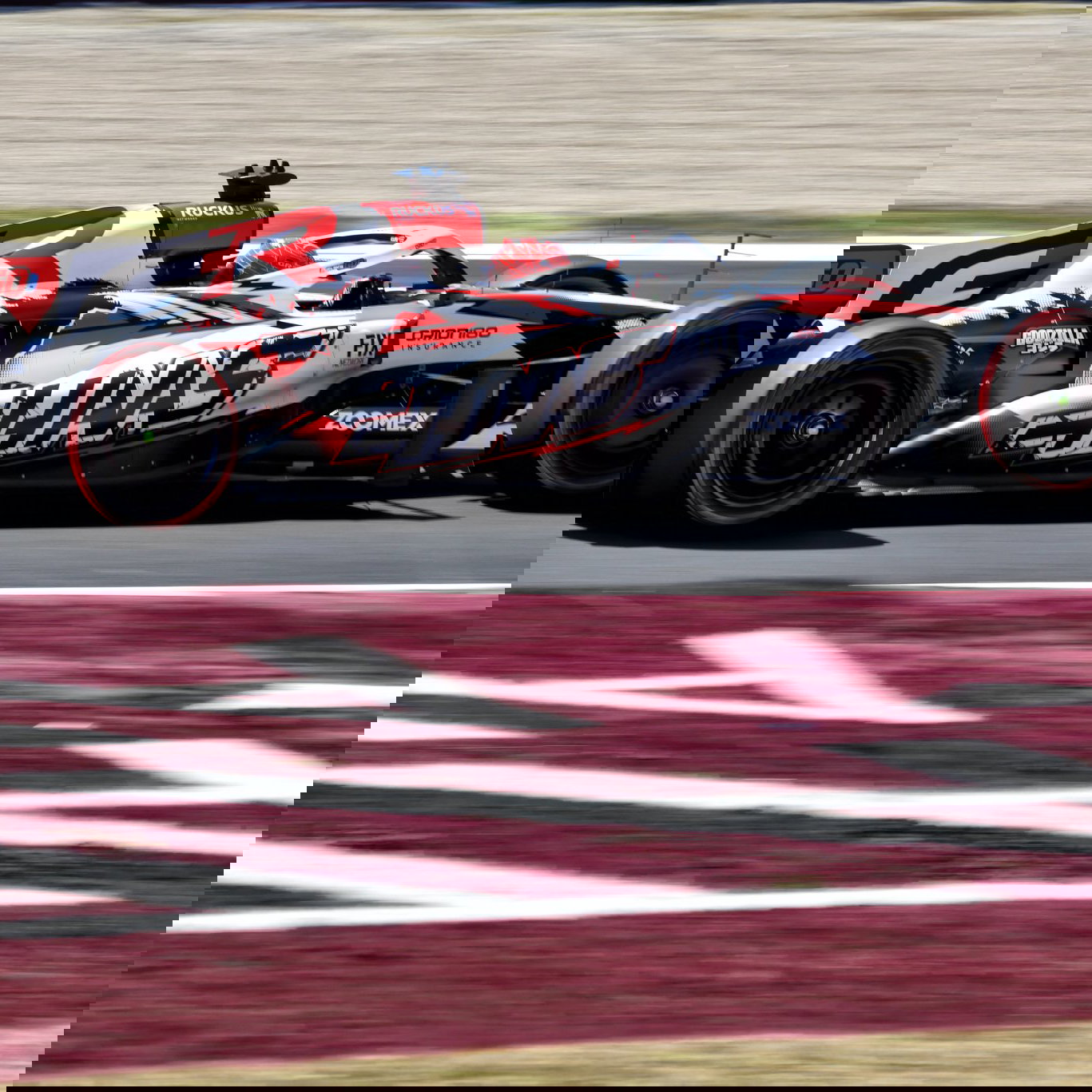
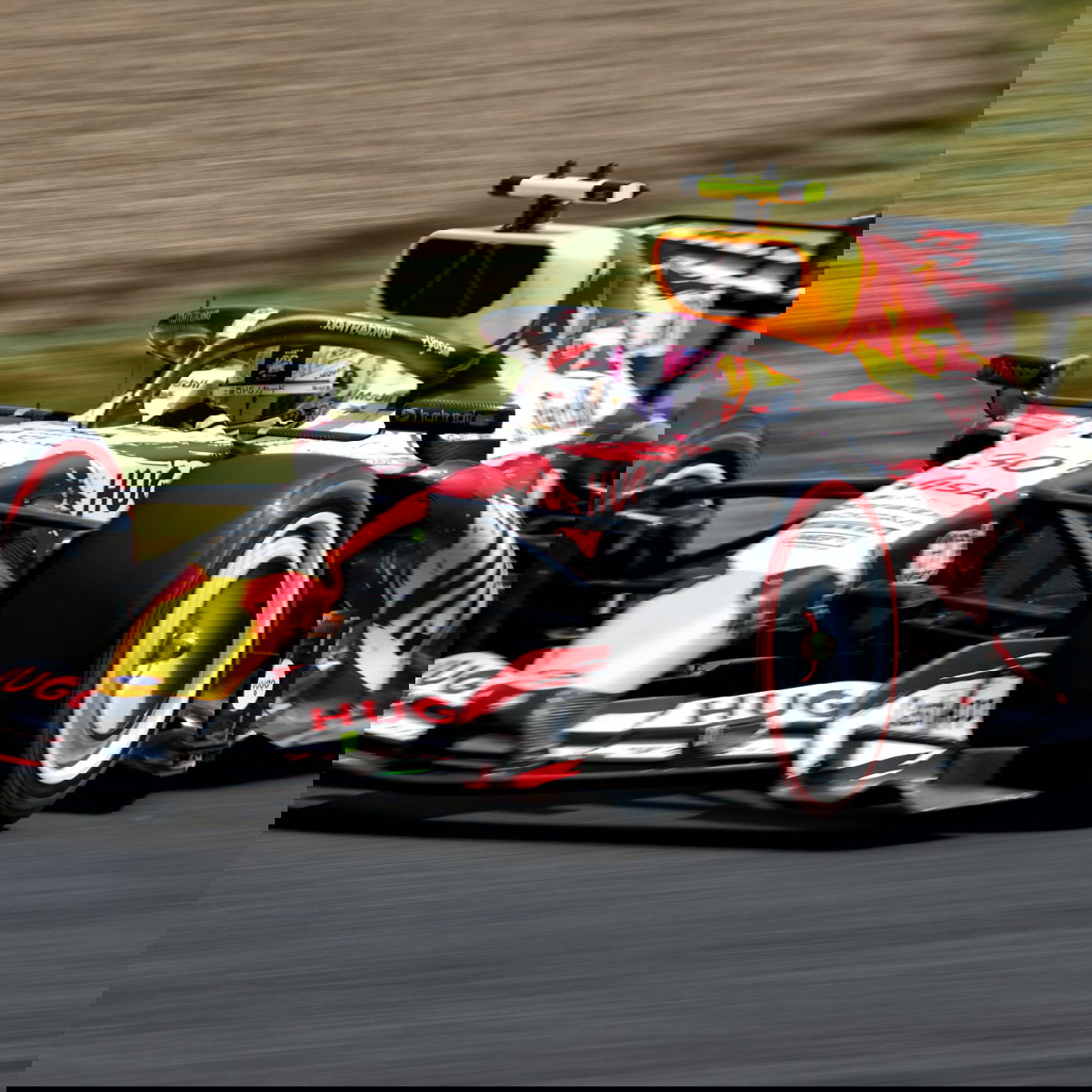
Haas has surprised everyone by taking the mantle of being the early pacesetter in the 2026 midfield order.
The American outfit has been consistently leading the midfield pack across the opening two rounds, despite not having the outright fastest car over a single lap out of the midfield runners.
What has been most impressive about Haas at this early stage is its race pace. It is in race trim when the VF-26 really shines, enabling Haas to even out-perform Red Bull on Sundays.
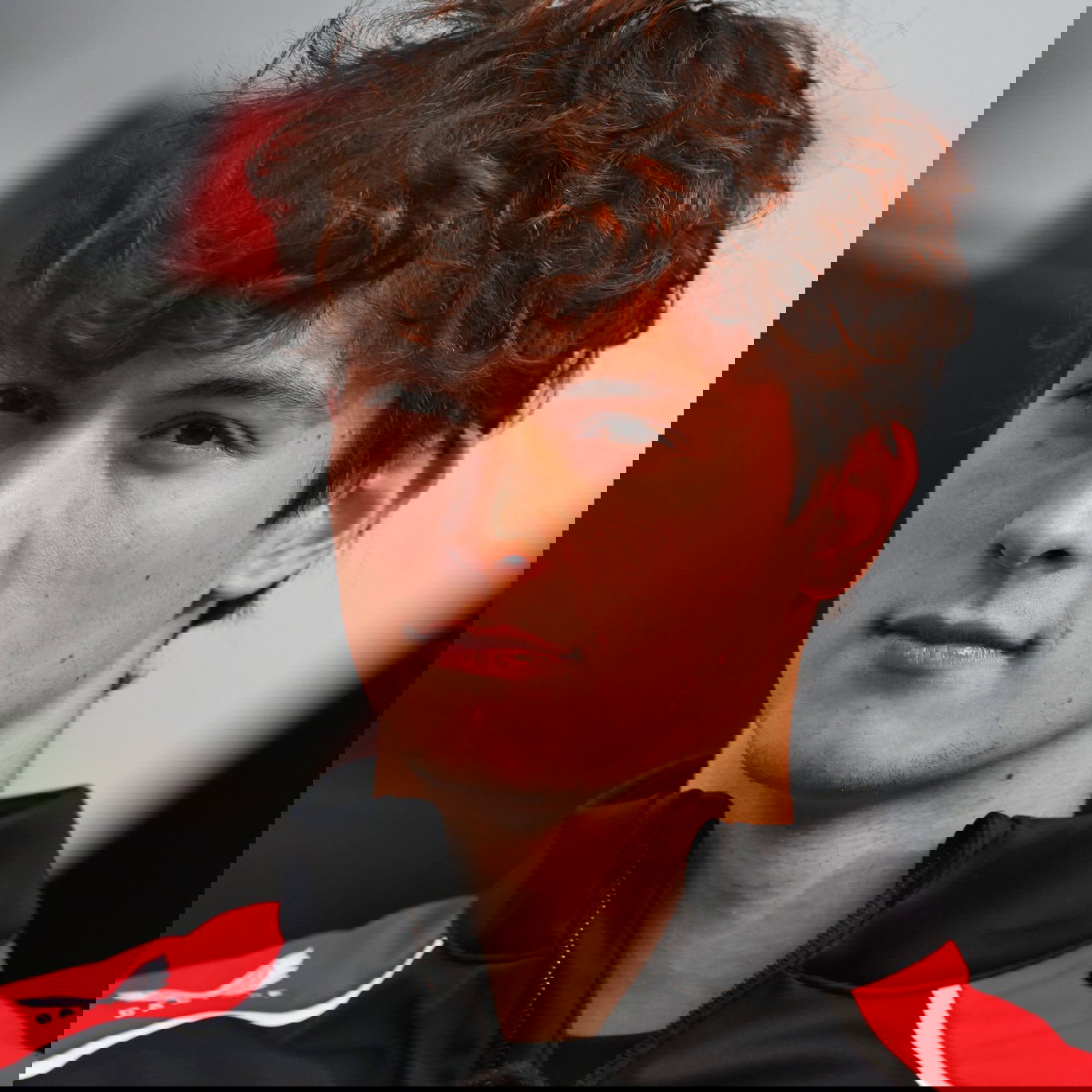
Haas currently holds fourth place in the constructors’ championship thanks to the superb performances of Ollie Bearman, who has single-handedly scored all of the team’s 17-point total.
Bearman took seventh place in the season-opener in Melbourne, before grabbing a further point in the China sprint race and going on to claim a brilliant fifth in the grand prix at Shanghai.
This has exceeded Haas’ early expectations and put them five points clear of its nearest midfield rival Racing Bulls - another team to make an eye-catching start.
Showing most promise - Alpine

Had it not been for Alpine’s remarkable winter turnaround, this title would have been taken by Red Bull’s sister squad Racing Bulls.
After Alpine spent the majority of the 2025 season as a backmarker, expectations were pretty low coming into the new season, though the regulation reset and a switch to Mercedes power units provided reason to be optimistic that Alpine’s fortunes could improve.
From being at times the slowest team last year, Alpine has impressively lifted itself right back into the midfield in 2026, with the decision to prioritise development of the A526 early last season bearing fruit.
Things started on a positive note as Pierre Gasly snatched the final point on offer in Australia, before enjoying a strong Chinese Grand Prix weekend. Gasly was one of the stars of qualifying as he put his Alpine seventh in both sprint and regular qualifying, outpacing the Red Bulls.
The Frenchman was able to back up Alpine’s promise over one lap as its strong pace translated into race-day, with Gasly managing sixth on Sunday to equal the team’s best result since the 2024 Qatar Grand Prix. Team-mate Franco Colapinto raced into the top-10 to score his first point with Alpine, and in doing so, secured the team’s first double points finish since 2024.
Alpine’s early performances have given the team renewed hope that it can start looking forwards as it bids to move closer to the front of the F1 field.
The biggest disappointment - Williams

There is a strong case to argue that Williams has been the most underwhelming team in 2026.
The tag for biggest flop of the season probably has to go to Aston Martin given the huge hype and expectation surrounding the team and its Adrian Newey-designed AMR26, but Williams also needs to be in the conversation.
After all, Williams was one of the first teams to shut off development of its 2025 car to shift focus onto the 2026 regulations. The early move was billed as being one to ensure competitiveness, but it hasn’t worked out.
After an incredible 2025 season that surpassed Williams’ wildest expectations, the British squad has been brought crashing back down to earth in 2026 following its best campaign in a decade.
The first signs of major problems emerged when Williams was forced to miss the entire Barcelona shakedown in January. When its 2026 challenger finally did hit the track in pre-season testing, it looked a handful and sluggish.
Williams’ performance issues were laid bare once the competitive action began in Australia, with the FW48 being well off the pace and badly overweight.
Aside from Carlos Sainz grabbing two points in the China sprint, it has been a brutally painful start to the year for the Grove-based outfit, with team-mate Alex Albon reaching the worrying conclusion that “nothing seems to fix the car” after conducting a series of set-up experiments across the Shanghai weekend.
Currently plum last in the midfield pecking order, Williams will be one of the teams most relieved there is no racing in April. The team must use this time wisely and attempt to fix its glaring weaknesses.
In this article


Lewis regularly attends Grands Prix for Crash.net around the world. Often reporting on the action from the ground, Lewis tells the stories of the people who matter in the sport.