Why Ferrari is genuinely worth getting excited about in F1 2026
With 2026 Formula 1 pre-season testing wrapped up, it might be time to start getting excited about Ferrari, writes Lewis Larkam.

If there was a champion of Formula 1 pre-season testing, Ferrari would be celebrating right now.
Yes, I can hear you, it’s only testing. And yes, I know we’ve been here many times before. Ferrari has a checkered history when it comes to creating a hype train heading into a season, only to flatter to deceive when it matters most. But something feels different this time.
Even before Charles Leclerc set a blistering pace with a series of fastest times on the sixth and final day of running in Bahrain, it had already been an impressive pre-season for the Scuderia.
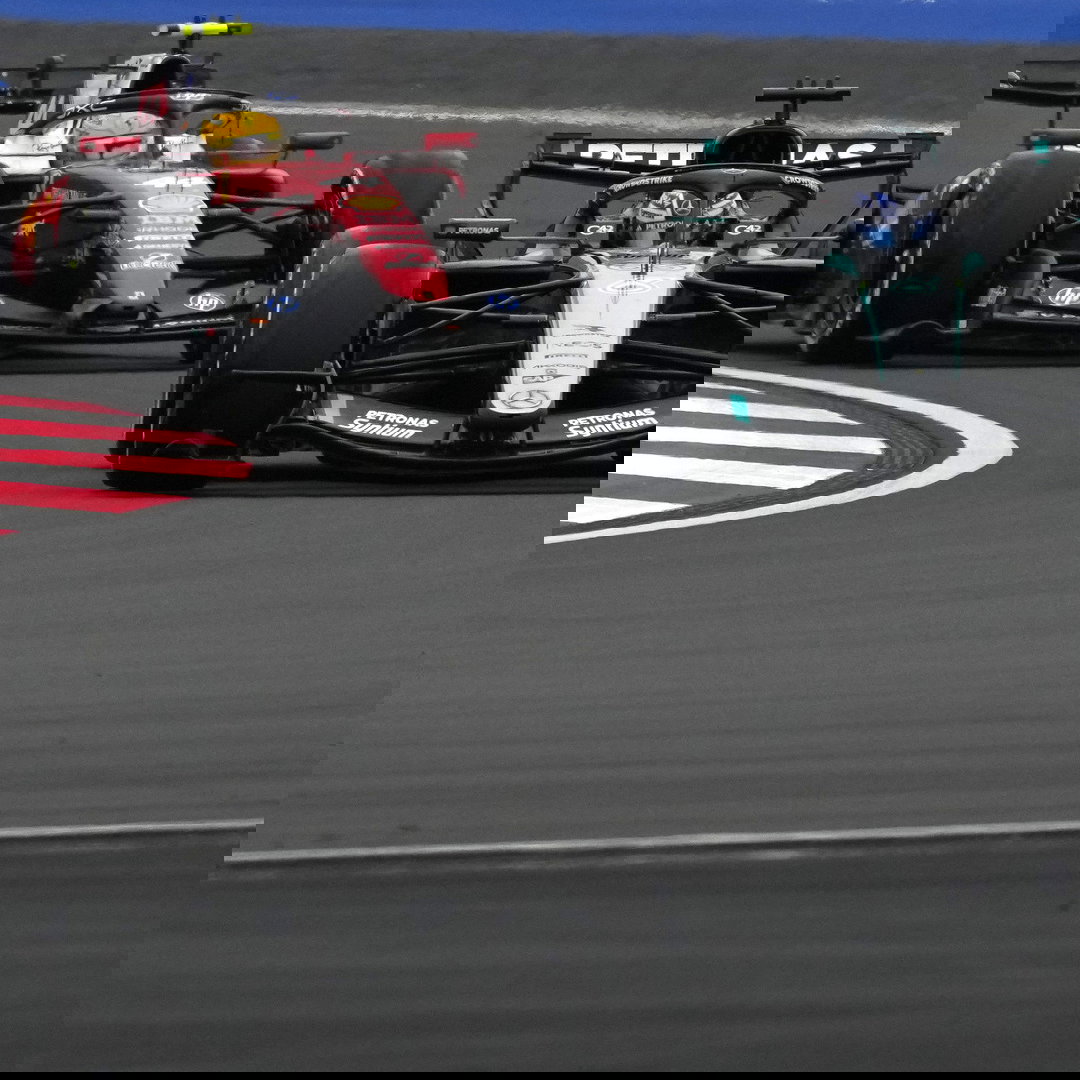
Ferrari’s near-bulletproof reliability and incredible mileage had caught the eye of its rivals, as had its very strong race pace and rocket starts. The Italian outfit’s only real blemish on an otherwise pretty flawless test came on Thursday morning when Lewis Hamilton was sidelined by gremlins for three hours.
But every team has run into problems in some form or another throughout the two weeks of running in Sakhir.
On Friday, Leclerc provided the entertainment with some hair-raising moments as he steadily chipped away at the quickest time, lowering the benchmark on several occasions.
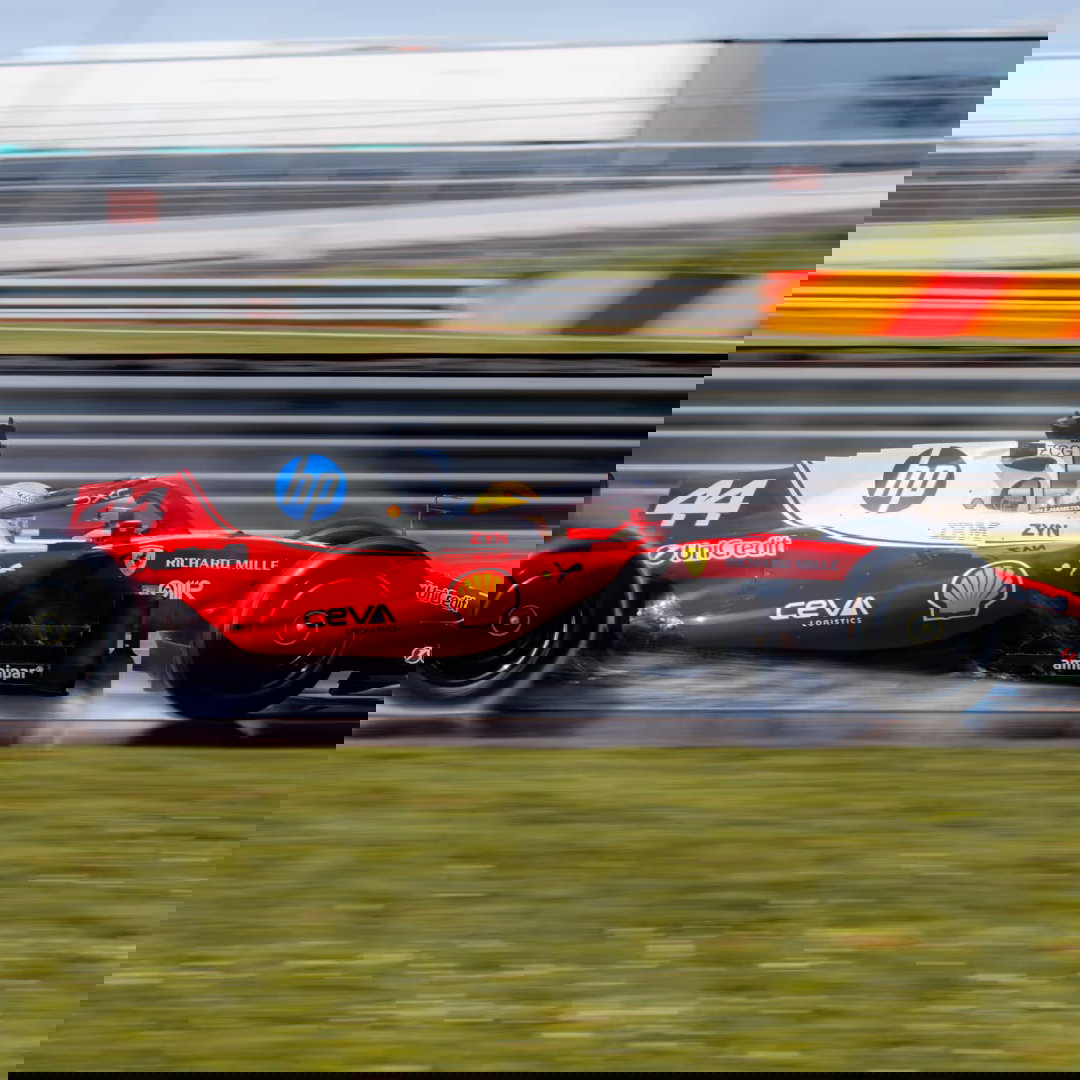
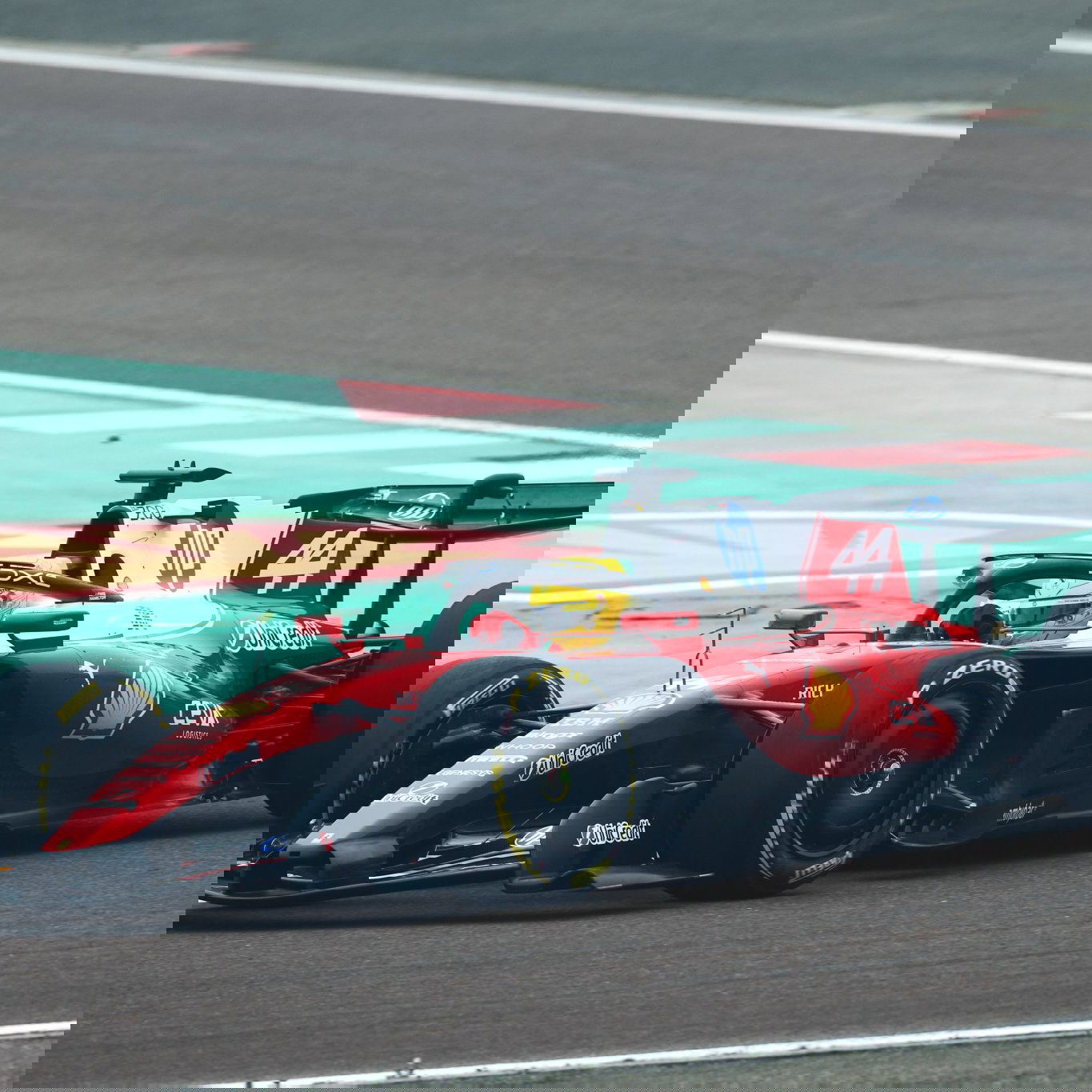
The Monegasque, known for his searing one-lap pace, stretched the legs of his SF-26 as the sun set and pumped in a time on C4 tyres that was 0.879s quicker than world champion Lando Norris, who placed second with C3s bolted to his McLaren. Leclerc was the only man this week to creep into the 1m31s.

Ferrari’s 2026 challenger looks a real improvement on its predecessor. Leclerc enjoyed great traction on his best lap of the day, and the SF-26 appeared hooked up with a strong front-end. Stability on corner exit enabled Leclerc to get the power down quickly and gain crucial time.
Even when Leclerc came close to spinning with a wild moment at Turn 11 on one of his push laps, the 2026 Ferrari looked much easier to save compared to last year’s challenger, which was a real handful.
The small nods of acknowledgement and smiles from the mechanics in the Ferrari garage after Leclerc repeatedly lit up the timing screens told a story.
Expectation high after 2025 lows
After a frankly disastrous 2025 in which Ferrari seemingly could only find a way to screw up, the importance of 2026 was not lost on the team. Leclerc even stoked the pressure on his own side by issuing a “now or never” rally cry for Ferrari at the end of last year.
Despite this massive weight of expectation and scrutiny that lingers over the team, the atmosphere at Ferrari has been remarkably calm throughout testing.
2026 is undoubtedly a crucial year. Not only is Ferrari’s F1 reputation at stake, but so too are the futures of its drivers. Leclerc is growing increasingly frustrated at his beloved team’s failure to produce a championship-winning car, while Hamilton saw his dream move quickly descend into a nightmare debut season in red.
On the face of it, Ferrari’s decision to pull the plug on its 2025 development early in order to focus on 2026 appears to have been an inspired call, and the team looks in a much better place to start the year after producing a baseline car that isn’t limited by development potential.
Ferrari team principal Fred Vasseur insisted performance was not top of the agenda for the Scuderia at the start of the Bahrain pre-season test, which made Leclerc’s headline-grabbing final day all the more intriguing.
The Year of the Horse for Ferrari in 2026?

It is important to stress the caveat that Bahrain is a very different circuit to Melbourne, which hosts the season-opening Australian Grand Prix in two weeks’ time.
Just because the Ferrari package, equipped with its smaller turbo, looks a machine to be reckoned with on this track is no guarantee that form will translate at every venue F1 heads to in 2026. At power hungry circuits like Silverstone and Spa-Francorchamps, it could be a very different story.
Equally, headline lap times from pre-season testing can also be misleading and should be taken with a pinch of salt. But based on the data we have collated from recent weeks, which is all the evidence we have to go off at this stage, there is genuine cause for optimism at Ferrari.
Despite this, Vasseur is not getting carried away and is keen to keep expectations firmly grounded.
“Happy yes but we have to keep in mind what was the target at the beginning. This was to do a lot of mileage and I think this went pretty well to collect data to try to improve session after session,” the level-headed Frenchman told F1TV at the end of Friday.
“It’s not performance related and at the end of the day we don’t know the fuel loads of the others, we don’t know the engine mode. We don’t have the same tyres. Let’s be focused on ourselves to try to do a better job in Melbourne and we will see where we are.”
Asked what he expects from the first race, Vasseur replied: “I don’t want to say that it doesn’t matter the result in Melbourne because I prefer to have a good result than a bad one.
“But at the end of the day I know the development will be so huge during the end of the season that the most important [thing] is the capacity of the team to develop, the capacity of the team to bring parts quickly, much more than the performance of race one. We need to keep the momentum through the season and be focused on development.”
Whether all the stars align in the Year of the Horse remains to be seen. While it is too early to suggest Ferrari has a genuine shot of ending 20 years of hurt, all the early signs point to a much better 2026 season.
In this article


Lewis regularly attends Grands Prix for Crash.net around the world. Often reporting on the action from the ground, Lewis tells the stories of the people who matter in the sport.